Influencer marketing is powerful. But there is a growing problem that most brands underestimate.
Fake influencers.
On the surface, everything looks perfect. High follower count. Good-looking profiles. Consistent content.
But when campaigns go live, results do not match expectations.
Low engagement. Poor conversions. Wasted budget.
This is not a coincidence. It is influencer fraud.
If you are investing in influencer marketing, identifying fake influencers is not optional. It is essential.
What Are Fake Influencers
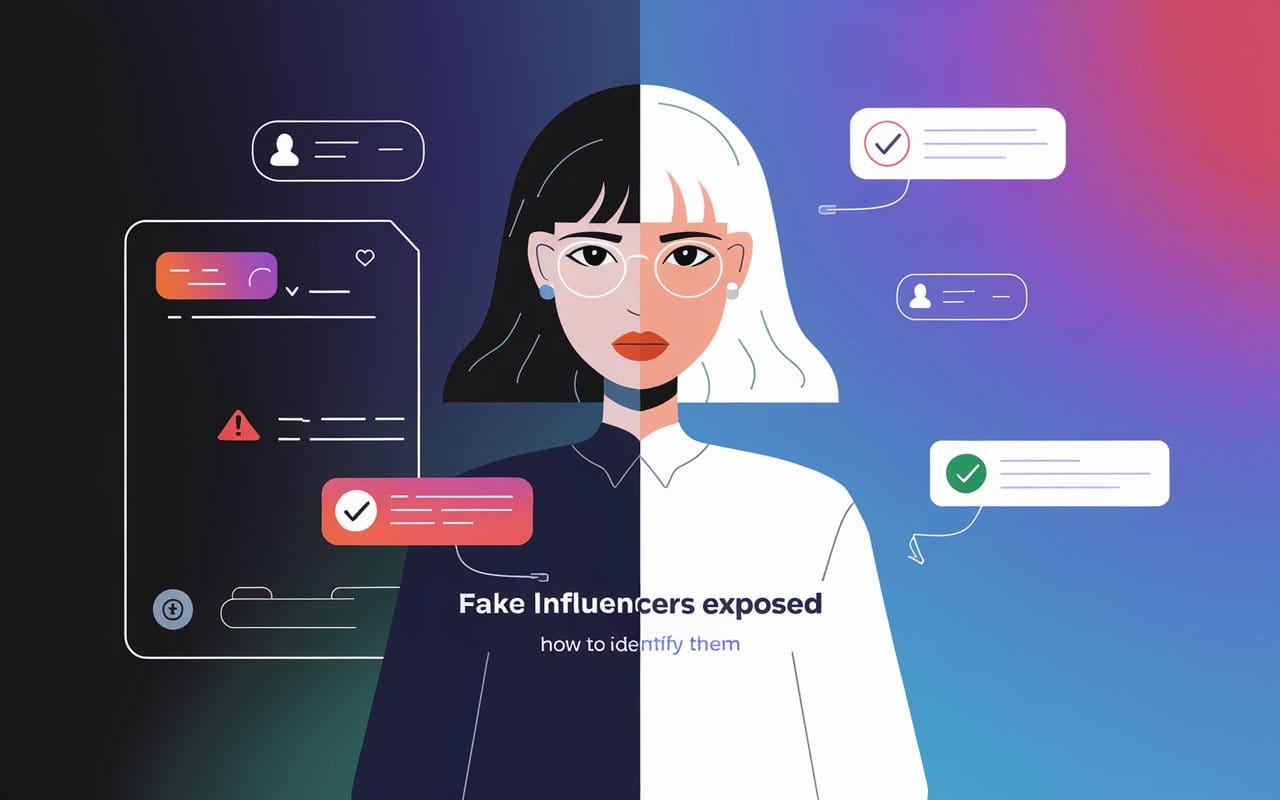
Fake influencers are creators who artificially inflate their numbers to appear more influential than they actually are.
They use:
- Bought followers
- Engagement pods
- Fake likes and comments
- Bot-generated activity
The result is a misleading profile that looks credible but delivers zero real impact.
Why Fake Influencers Are a Serious Problem
This is not just about vanity metrics. It directly impacts business outcomes.
- Wasted marketing budget
- Poor campaign performance
- Misleading data for decision making
- Damage to brand credibility
🔹 Insight: A campaign with fake influencers does not fail loudly. It fails silently with poor ROI.
The Psychology Behind Fake Influence
Here is something most brands miss.
People trust numbers.
A creator with 100K followers looks more credible than someone with 10K. Even if the smaller creator has a real audience.
Fake influencers exploit this bias.
They optimize perception, not performance.
Types of Fake Influencers
1. Bot-Based Influencers
These accounts:
- Buy followers in bulk
- Have automated likes and comments
- Show sudden spikes in growth
2. Engagement Pod Users
Creators join groups where they:
- Like and comment on each other’s posts
- Artificially boost engagement
The engagement looks real, but it is not organic.
3. Inactive Audience Influencers
They may not have fake followers, but:
- Most followers are inactive
- Engagement is extremely low
4. Recycled Content Influencers
These creators:
- Repost viral content
- Lack original audience connection
They gain followers but not trust.
How to Identify Fake Influencers
This is where most brands fail.
They look at follower count instead of deeper signals.
Let’s break down what actually works.
1. Check Engagement Rate
A healthy engagement rate is a strong indicator of authenticity.
| Followers | Expected Engagement Rate |
|---|---|
| 10K–50K | 3% to 8% |
| 50K–100K | 2% to 5% |
| 100K+ | 1% to 3% |
🚩 Red Flag: Very low engagement despite high followers.
2. Analyze Follower Quality
Look at followers manually.
Warning signs:
- No profile picture
- Random usernames
- No posts or activity
If a large portion looks suspicious, the audience is likely fake.
3. Look for Sudden Growth Spikes
Organic growth is gradual.
🚩 Red Flag:
- Sudden jump in followers overnight
This often indicates purchased followers.
4. Audit Comments
Real engagement looks natural.
🚩 Red Flags:
- Generic comments like “Nice post” or “Awesome”
- Repetitive comments across posts
- Irrelevant comments
5. Check Content Consistency
Ask:
- Does the content align with the audience?
- Is there a clear niche?
Fake influencers often lack content direction.
6. Use Influencer Audit Tools
Tools can help detect anomalies in:
- Follower growth
- Engagement patterns
- Audience demographics
🔹 Insight: Tools are helpful, but manual checks are still critical.
Real vs Fake Influencer Comparison
| Factor | Real Influencer | Fake Influencer |
|---|---|---|
| Engagement | Consistent and meaningful | Low or artificial |
| Comments | Relevant and diverse | Generic or repetitive |
| Growth | Gradual | Sudden spikes |
| Audience | Real users | Bots or inactive accounts |
| ROI | Measurable impact | Poor results |
A Practical Framework to Validate Influencers
Instead of guessing, use this simple validation process:
Step 1: Data Check
- Engagement rate
- Follower growth
Step 2: Audience Check
- Profile quality
- Activity level
Step 3: Content Check
- Relevance
- Consistency
Step 4: Performance Check
- Past brand collaborations
- Results delivered
🔹 Pro Tip: If an influencer fails two or more checks, avoid them.
The Hidden Cost of Fake Influencers
Most brands think the loss is limited to campaign budget.
It is not.
- Lost opportunity to work with real creators
- Wrong data for future campaigns
- Slower brand growth
This compounds over time.
How to Avoid Fake Influencers Completely
1. Focus on Micro Influencers
Smaller creators often have:
- Higher engagement
- More authentic audiences
2. Prioritize Performance Over Followers
Shift your mindset.
Do not ask:
“How many followers?”
Ask:
“How much impact?”
3. Run Test Campaigns First
Start small.
Measure:
- Engagement
- Clicks
- Conversions
Scale only if results are strong.
4. Build Long-Term Relationships
Real influencers deliver better results over time.
One-off campaigns increase risk.
5. Work with a Verified Influencer Network
A structured approach ensures:
- Proper vetting
- Data-backed decisions
- Better ROI
FAQs
How common are fake influencers?
Very common. A significant percentage of influencers have some level of fake or inactive followers.
Can fake influencers be completely avoided?
Yes, with proper auditing, validation, and strategy.
Are micro influencers safer?
Generally yes, but validation is still necessary.
What is the biggest red flag?
High followers with low engagement.
Conclusion
Fake influencers are one of the biggest hidden risks in influencer marketing.
They look impressive but deliver nothing.
Brands that rely on surface-level metrics will continue to lose money.
Brands that focus on authenticity, data, and strategy will win.
🚀 Build Authentic Influencer Campaigns That Drive Real Results
Avoiding fake influencers is not just about detection. It is about building a smarter influencer strategy from the start.
Fame Keeda helps brands identify genuine creators, validate audience quality, and execute performance-driven influencer campaigns that deliver measurable ROI.
From influencer discovery and audience analysis to campaign execution and optimization, every step is designed to ensure your budget is invested in real impact, not vanity metrics.
If your campaigns are not delivering results, the issue is not influencer marketing. It is influencer selection and strategy.
👉 Work with a data-driven influencer marketing partner to eliminate fraud and scale with confidence.