For most FMCG brands, the real challenge is not awareness.
It’s getting people to try the product for the first time.
You can run ads, offer discounts, even get visibility in stores. But unless a consumer actually picks up your product and experiences it, nothing moves. And in categories like snacks, beverages, personal care, or packaged foods, switching behavior is hard. People stick to what they already trust.
This is where influencer marketing becomes powerful.
Not because it creates reach, but because it reduces hesitation.
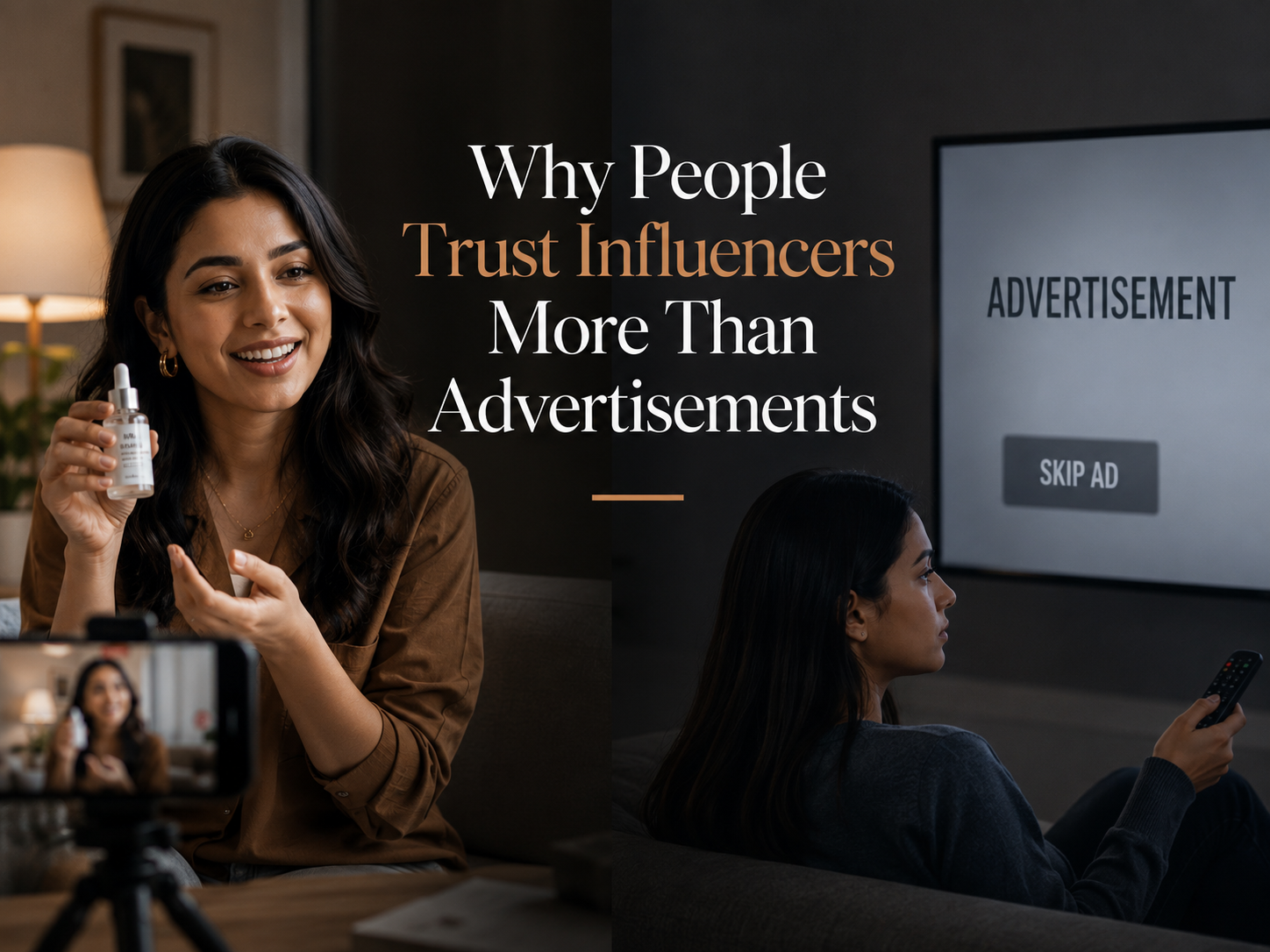
When someone sees a creator using a product, reacting to it, or casually including it in their daily routine, it feels less like marketing and more like recommendation. That small shift plays a huge role in driving trials, especially in the Indian market where word-of-mouth still dominates purchase decisions.
But here’s the problem.
Most FMCG brands treat influencer marketing like a branding activity. They send products, get a few posts, maybe a giveaway, and expect results. When trials don’t increase, they assume the channel doesn’t work.
In reality, it works extremely well, but only when it’s designed around one goal:
Make people want to try the product today, not just remember it.
Why FMCG Influencer Campaigns Fail to Drive Trials
The biggest mistake is focusing on visibility instead of action.
A reel showing your product aesthetically placed on a table might look good, but it does not answer a simple question:
“Why should I try this instead of what I already use?”
In FMCG, consumers need a reason to switch. That reason can be taste, price, health benefits, convenience, or even curiosity. If your content does not communicate that clearly, it gets ignored.
Another issue is lack of context.
Products are often shown in isolation instead of real-life usage. But consumers don’t buy products, they buy use cases. A protein bar is not just a snack, it is a “quick office hunger solution.” A face wash is not just skincare, it is a “daily routine essential.”
Without that context, content remains passive.
The Real Strategy: From Awareness to First Trial
To drive trials, influencer marketing needs to mimic real consumer behavior.
A user sees a product
Gets curious
Understands where it fits in their life
Feels confident enough to try
Your content should guide them through this journey.
This is where most campaigns break. They stop at visibility, instead of pushing toward action.
Trial-Driven Influencer Funnel (FMCG)
Funnel Overview
| Stage | Objective | Content Focus |
|---|---|---|
| Discovery | Grab attention | Scroll-stopping hooks |
| Consideration | Build curiosity | Use-case storytelling |
| Trial | Drive action | Offers + clear CTA |
1. Discovery: Make the Product Stand Out
At this stage, your goal is to interrupt routine scrolling.
FMCG products are everyday items, so your content needs to make them feel interesting.
This can be done through:
- Unique hooks (“This ₹20 snack is replacing my evening cravings”)
- Visual triggers (texture, pouring shots, usage moments)
- Relatable situations (office, gym, travel, late-night hunger)
The aim is not to explain everything. It is to make people stop and pay attention.
2. Consideration: Show Where It Fits
Once you have attention, you need to create relevance.
This is where use-case content becomes critical.
Instead of saying “this is a healthy snack,” show:
- Someone eating it during work hours
- A gym-goer using it post-workout
- A student carrying it for college
In India, relatability drives faster decisions than product features.
When people see themselves in the scenario, they move closer to trying the product.
3. Trial: Push Immediate Action
This is the most ignored stage.
Even if users are interested, they need a reason to act now.
That push can come from:
- Limited-time offers
- Discount codes
- “Available on Blinkit / Zepto” type urgency
Without this, interest fades quickly.
Creator Selection Strategy (For FMCG)
Choosing the right creators directly impacts trial rates.
What to Look For:
- Audience relevance (food, fitness, lifestyle, skincare depending on product)
- High engagement (comments show trust)
- Content style that feels natural, not ad-heavy
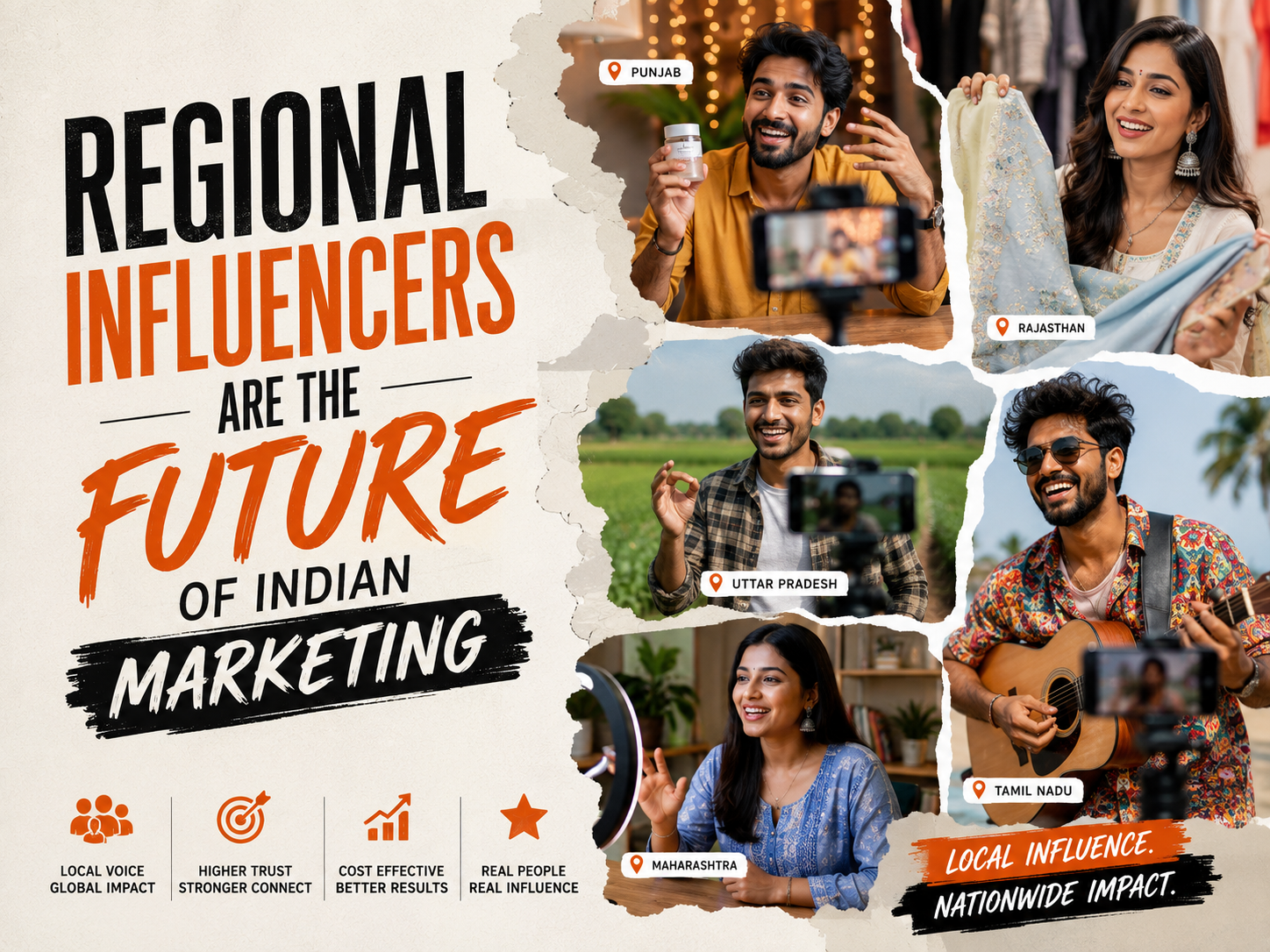
- Strong regional connect (important for India)
Ideal Mix:
- Micro creators for trust and relatability
- Mid-tier creators for scale
Avoid over-investing in large influencers unless the goal is awareness.
Content Formats That Drive Trials
Not all influencer content leads to action. Some formats consistently perform better for FMCG.
High-Converting Formats:
- First-time reaction (“Trying this for the first time”)
- Routine integration (“My 5 PM snack”)
- Comparison (“Better than regular chips?”)
- Problem-solution (“Healthy option for office hunger”)
Low-Performing Formats:
- Static product shots
- Overly scripted ads
- No usage context
The more natural the content feels, the higher the chance of trial.
Distribution Strategy: Don’t Rely Only on Organic
Even the best content needs amplification.
Smart Distribution Approach:
- Run ads on top-performing influencer reels
- Retarget viewers who watched or engaged
- Use lookalike audiences to expand reach
This ensures your content reaches beyond the creator’s audience.
Offer Strategy That Converts Interest into Trials
FMCG products are low-ticket, but competition is high.
A small push can make a big difference.
What Works in India:
- Introductory pricing
- Combo offers
- “Try at ₹X” messaging
- Cashback or wallet offers
The goal is to reduce friction for first-time users.
Common Mistakes FMCG Brands Make
- Treating influencer marketing as branding only
- No clear CTA in content
- Ignoring regional creators
- No paid amplification
- Lack of consistency in campaigns
Execution Checklist (Quick Reference)
- Define core use-case of product
- Identify 10–20 relevant creators
- Plan content around real-life scenarios
- Add clear trial-driven CTA
- Boost best-performing content
- Track actual trials, not just views
Final Takeaway
In FMCG, growth comes from trials.
And trials come from trust.
Influencer marketing works because it bridges that gap between seeing and trying. But only when it is executed with intent.
If your content:
- Feels real
- Shows usage clearly
- Gives a reason to act
It will not just build awareness. It will drive action.
And in FMCG, action is everything.