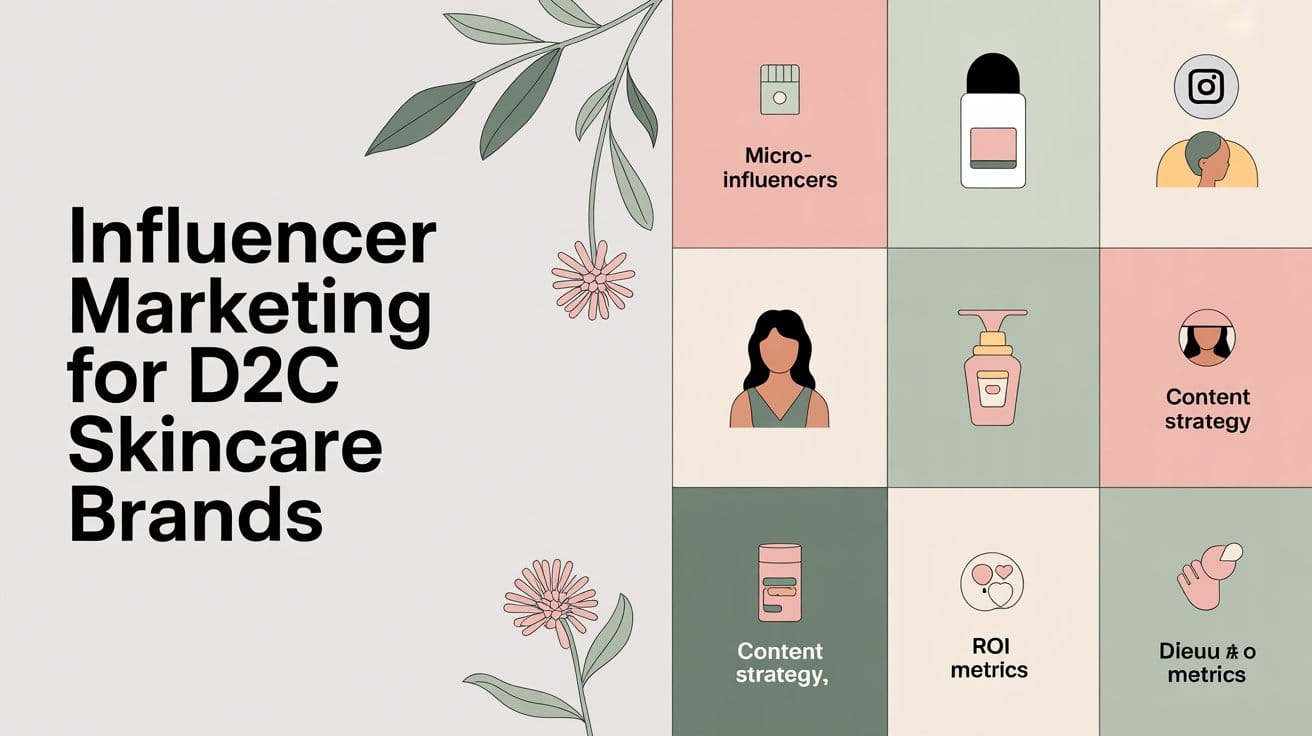
The rise of D2C skincare brands has completely transformed the beauty industry in India and beyond. With consumers becoming more conscious about ingredients, authenticity, and brand values, traditional advertising alone is no longer enough. This is where influencer marketing for beauty brands plays a crucial role, bridging the gap between brand awareness and actual sales.
From Instagram reels to YouTube routines, influencers have become trusted voices in skincare decisions. But how exactly can D2C skincare brands leverage influencer marketing effectively across the funnel? Let’s break it down.
Why Influencer Marketing Works for Skincare
Skincare is deeply personal. Consumers don’t just buy products; they buy results, trust, and relatability. Influencers bring all three to the table.
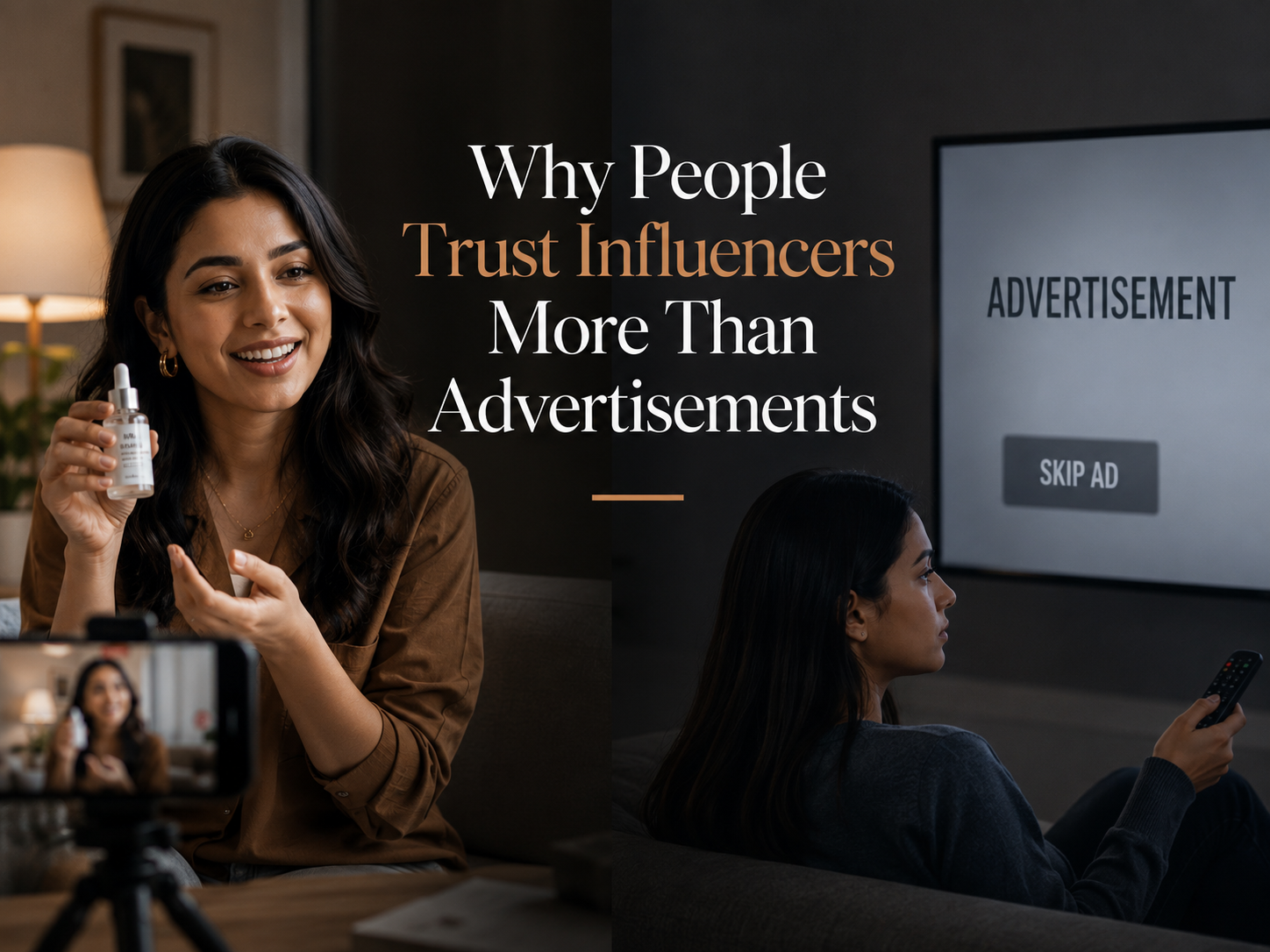
Unlike traditional ads, influencer content feels authentic. When a creator shares their skincare journey, before-and-after results, or daily routine, it resonates more with audiences. This relatability is what makes influencer marketing for beauty brands highly effective in driving both engagement and conversions.
Stage 1: Building Awareness
For any D2C skincare brand, the first step is visibility. Influencers help introduce your brand to the right audience.
At this stage:
- Collaborate with macro and micro influencers for reach
- Focus on content like “first impressions,” “unboxing,” and “skincare routines.”
- Use trending formats like reels and short-form videos
The goal here isn’t immediate sales but making your brand discoverable. A well-executed campaign can quickly build recognition among your target audience.
Stage 2: Creating Trust & Engagement
Once people know your brand, the next step is building credibility. This is where influencer marketing truly shines.
Consumers often hesitate to try new skincare products due to concerns about skin type compatibility, ingredients, and effectiveness. Influencers address these concerns by sharing:
- Honest reviews
- Ingredient breakdowns
- Real-time usage experiences
- Testimonials over a few weeks
Partnering with niche skincare creators (dermatology-backed influencers, skincare educators) can significantly boost trust. Their audience already relies on them for informed decisions.
Stage 3: Driving Conversions
Turning awareness into sales requires a strategic push. Influencers can directly impact purchase decisions when campaigns are structured correctly.
Effective tactics include:
- Discount codes or affiliate links
- Limited-time offers
- “Get ready with me” or routine-based content featuring your product
- Before-after transformations
At this stage, micro and nano influencers often perform better due to their higher engagement rates and stronger audience trust.
Choosing the Right Influencers
Not every influencer is the right fit for your skincare brand. Selection should be based on:
- Audience demographics (age, gender, skin concerns)
- Content niche (skincare vs general lifestyle)
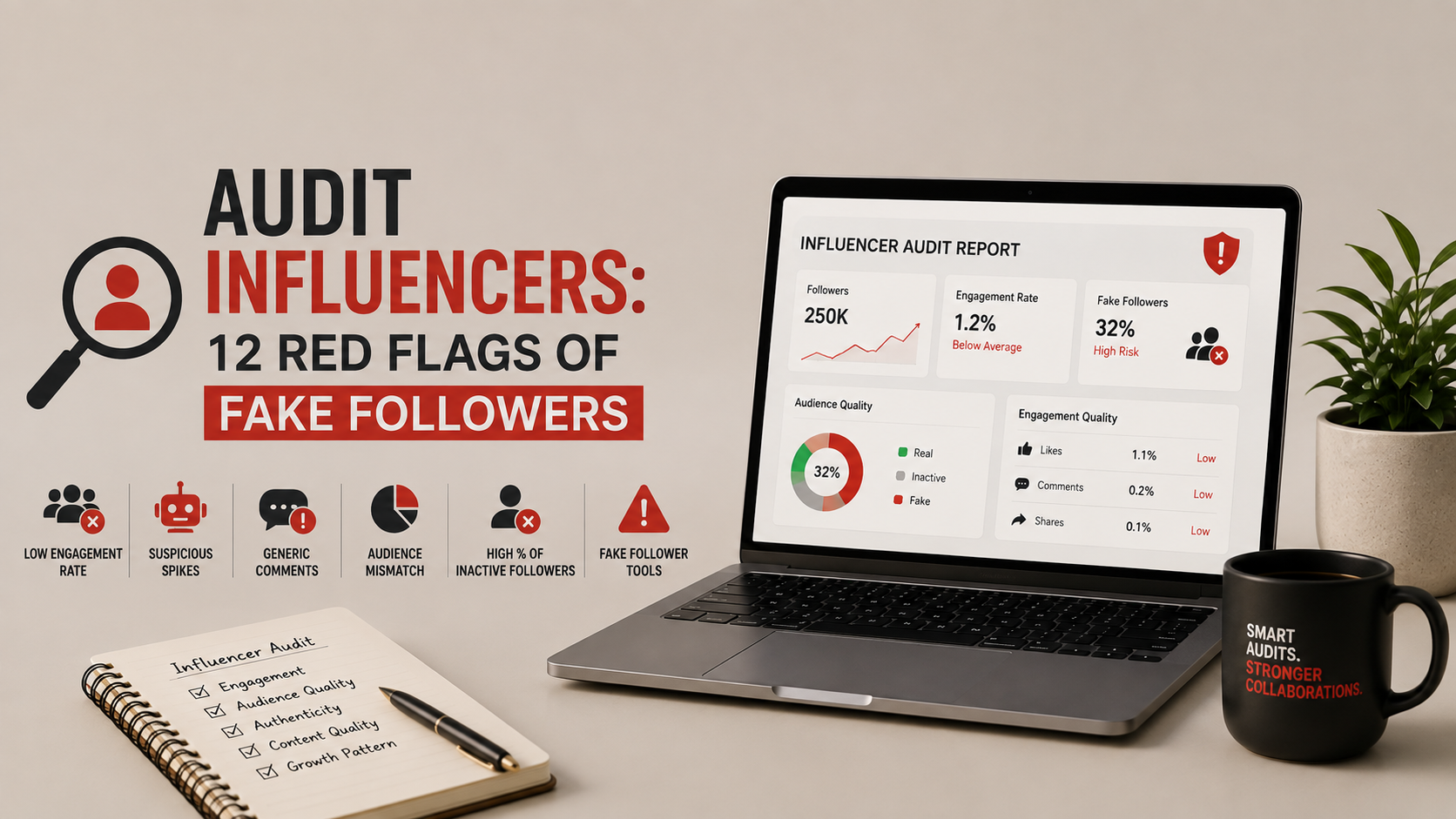
- Engagement rate (not just follower count)
- Content quality and authenticity
For D2C skincare brands, a mix of creators works best, with macro influencers for reach and micro/nano influencers for conversions.
Content That Converts
The success of influencer marketing for beauty brands heavily depends on the type of content created. High-performing formats include:
- Skincare routines (AM/PM routines)
- Problem-solution videos (acne, pigmentation, dry skin)
- Ingredient-focused content
- Transformation journeys
- User-generated content (UGC)
UGC-style content is especially powerful as it feels organic and can also be repurposed for ads, boosting ROI.
Measuring ROI
To ensure your campaigns are delivering results, track key metrics such as:
- Reach and impressions (awareness stage)
- Engagement rate (likes, comments, shares)
- Click-through rate (CTR)
- Conversion rate and sales
- Cost per acquisition (CPA)
Using influencer tracking tools or affiliate dashboards can help you measure performance more accurately.
Final Thoughts
Influencer marketing is no longer optional for D2C skincare brands; it’s essential. When executed strategically, it can guide consumers through the entire journey from discovering your brand to becoming loyal customers.
The key lies in choosing the right influencers, creating authentic content, and aligning campaigns with clear goals. With the right approach, influencer marketing doesn’t just build awareness, it drives real, measurable sales.
Ready to scale your D2C skincare brand with high-converting influencer campaigns?
At Fame Keeda, we help beauty brands turn engagement into real sales through data-driven influencer marketing strategies, curated creator partnerships, and performance-focused campaigns.
Get in touch with us today and start building a skincare brand your audience trusts and buys from.