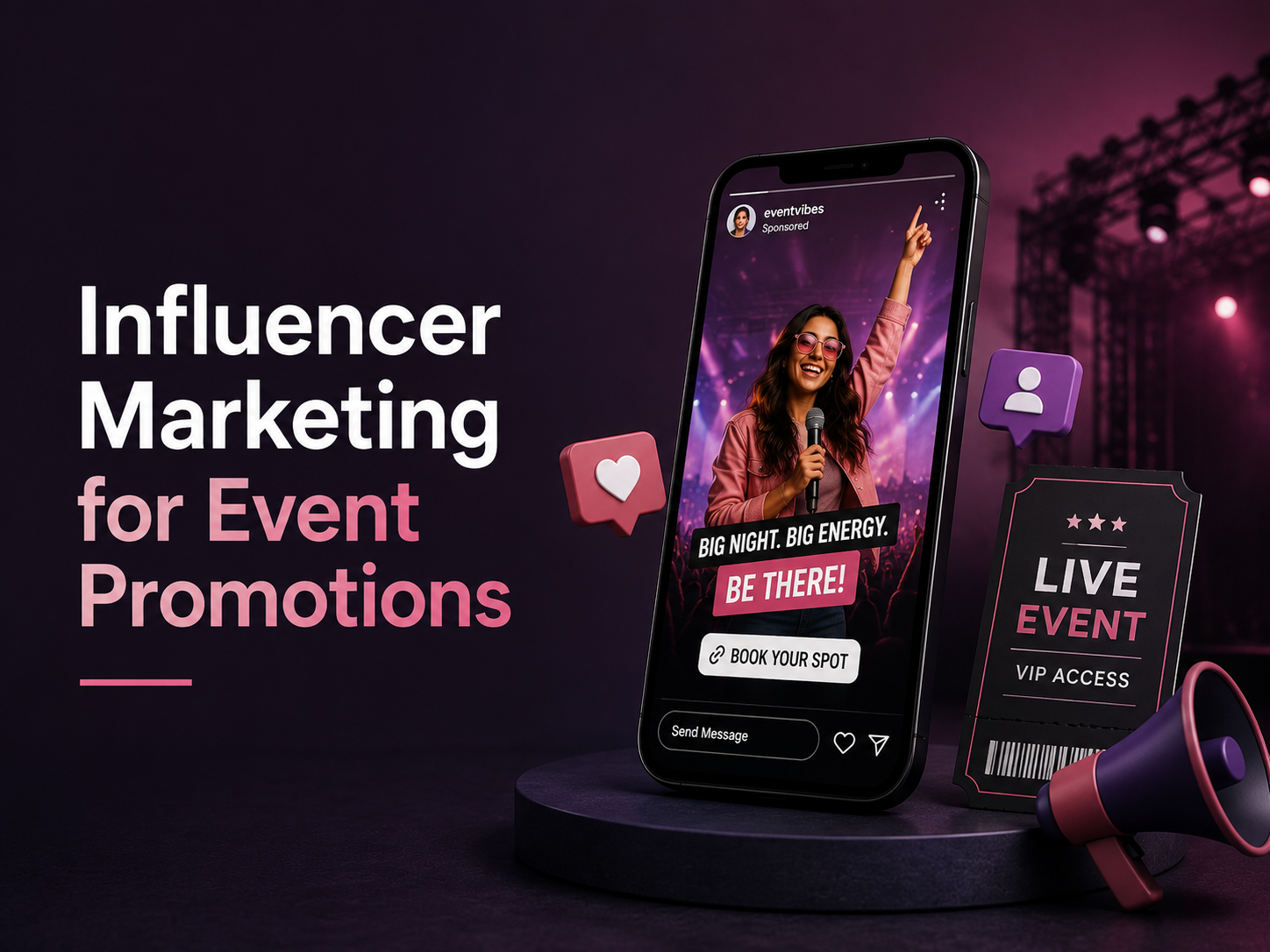
Can influencers help turn an ordinary event into a trending experience? Yes. In today's digital-first world, successful events are not built only through advertisements and traditional promotions. They are powered by conversations, community engagement, and authentic recommendations from people audiences already trust.
Whether it is a product launch, music festival, corporate event, fashion show, conference, or brand activation, influencers can help businesses create awareness, generate excitement, and encourage audiences to participate.
Event attendees no longer rely only on posters, advertisements, or official announcements. They look for experiences, reviews, and recommendations from creators they follow. This makes influencer marketing a powerful strategy for increasing event visibility and driving attendance.
Why Influencer Marketing Matters for Event Promotion
Event marketing has become increasingly competitive. Brands are competing for audience attention across multiple channels, making it difficult to stand out through traditional promotional methods alone.
Influencers provide an opportunity to reach targeted communities through authentic storytelling. Instead of simply announcing an event, creators can showcase the experience, highlight key moments, and encourage their audiences to become part of it.
This approach helps create anticipation before the event and keeps audiences engaged even after it concludes.
How Influencers Help Promote Events
Influencer marketing supports different stages of event promotion, from awareness to post-event engagement.
Creating Event Awareness
Influencers introduce events to their audiences through content such as announcements, behind-the-scenes videos, countdown posts, and event previews.
This helps brands reach potential attendees who may not discover the event through traditional marketing channels.
Building Excitement Before the Event
Successful events create anticipation before the actual date. Influencers can share preparation content, exclusive previews, venue visits, speaker introductions, and event-related stories to generate curiosity.
This builds momentum and encourages audiences to take action.
Driving Registrations and Ticket Sales
Influencers can encourage their followers to register or purchase tickets by sharing personal recommendations, exclusive offers, referral codes, and event highlights.
A trusted creator recommendation can significantly influence audience decisions.
Extending Event Reach After Completion
Influencer content continues providing value after the event. Recap videos, attendee experiences, interviews, and highlights help brands maximize visibility and create interest for future events.
Types of Events That Benefit From Influencer Marketing
Influencer marketing can support various event categories.
| Event Type | How Influencers Can Help |
|---|---|
| Product Launches | Create awareness and showcase new products. |
| Music Festivals | Generate excitement and attract attendees. |
| Corporate Events | Increase professional visibility and credibility. |
| Fashion Shows | Showcase trends and event experiences. |
| Conferences | Promote speakers and industry discussions. |
| Brand Activations | Create audience participation and social buzz. |
| Workshops | Drive registrations through niche communities. |
| Restaurants and Hospitality Events | Increase local awareness and visits. |
The right influencer strategy depends on the event's audience and objectives.
Choosing the Right Influencers for Events
The success of an influencer event campaign depends on selecting creators who match the event's target audience.
A popular influencer is not always the best choice. Brands should focus on relevance, audience quality, engagement, and content style.
Important factors include:
| Selection Factor | Importance |
| Audience match | Ensures the event reaches potential attendees. |
| Engagement quality | Shows genuine audience interaction. |
| Location relevance | Important for physical events. |
| Content style | Ensures the promotion feels natural. |
| Creator credibility | Builds trust and interest. |
For local events, regional influencers can often create stronger results because they have deeper connections with nearby audiences.
Pre-Event Influencer Strategies
Building excitement before an event is one of the most important parts of influencer marketing.
Effective pre-event strategies include:
Countdown Campaigns
Creators can build anticipation through countdown posts, stories, and short videos.
Behind-the-Scenes Content
Showing event preparation, venue setup, rehearsals, or exclusive previews creates curiosity and makes audiences feel involved.
Speaker and Guest Announcements
Influencers can introduce important guests, performers, or experts participating in the event.
Giveaways and Contests
Contests can increase engagement and encourage audiences to participate while expanding event visibility.
Influencer Strategies During Events
Influencers can transform an event into a real-time digital experience.
During the event, creators can:
- Share live updates
- Create short-form videos
- Conduct interviews
- Showcase attendee experiences
- Highlight important moments
- Encourage audience participation
This increases online conversations and extends the event's reach beyond physical attendees.
Measuring Influencer Marketing Success for Events
A successful event influencer campaign should be measured through clear performance indicators.
| Metric | Purpose |
| Ticket sales | Measures direct event conversions. |
| Registrations | Tracks audience participation. |
| Social media reach | Measures campaign visibility. |
| Engagement rate | Shows audience interaction. |
| Brand mentions | Tracks online conversations. |
| Event content views | Measures audience interest. |
| Referral traffic | Identifies influencer-driven visitors. |
These insights help brands understand campaign effectiveness and improve future events.
Common Mistakes Brands Make With Event Influencer Marketing
One common mistake is selecting influencers only based on follower count. Large audiences do not always translate into event attendance.
Another mistake is starting influencer promotion too close to the event date. Building awareness and excitement requires time.
Brands should also avoid overly controlled content. Influencers perform best when they have creative freedom to communicate with their audience naturally.
A successful campaign requires collaboration between brands and creators.
The Future of Influencer Marketing in Event Promotion
The future of event marketing will become increasingly community-driven. Audiences want experiences they can participate in, share, and remember.
Influencers will play a bigger role in transforming events into digital conversations by creating content before, during, and after experiences.
Brands that combine influencer partnerships with creative storytelling will be better positioned to increase attendance and build stronger audience relationships.
How Fame Keeda Helps Brands Promote Events Through Influencer Marketing
At Fame Keeda, we help brands create impactful influencer campaigns for events, launches, and experiences. Our team identifies relevant creators, develops campaign strategies, manages collaborations, and tracks performance to maximize visibility and engagement.
From generating pre-event buzz to amplifying live experiences, we help brands connect with audiences through authentic creator partnerships.
Conclusion
Influencer marketing has become an essential strategy for event promotion because it combines trust, storytelling, and community engagement. By partnering with the right creators, brands can generate awareness, increase registrations, and create memorable experiences for their audiences.
The success of an event is no longer measured only by attendance. It is also measured by the conversations, content, and connections created around it.
Brands that use influencer marketing strategically can turn events into experiences that audiences remember and share.