
The biggest influencer marketing waste doesn't happen during campaigns. It happens before them, during budgeting.
Most brands allocate budgets backward. They decide total spend first, then divvy it among channels hoping something works. Smart brands work forward. They calculate what drives the specific business outcome they need, then allocate accordingly.
This difference compounds. Brands budgeting backward waste 60-75% of influencer spend on fake engagement, poorly selected creators, and content that never gets amplified. Brands budgeting forward achieve ROI approaching ₹6 for every rupee spent.
For 2027, the opportunity is clearer than ever. Influencer marketing is now a core growth channel, not an experimental line item. Yet most budgeting approaches remain outdated. Here's how to plan correctly.
Calculate Backward from Your Business Goal
Start with what you actually need: customer acquisition cost, sales target, or brand awareness lift. Not a percentage of total marketing budget.
If you're a D2C brand with ₹10 lakh monthly revenue and need to grow to ₹30 lakh annually, you can reverse-engineer the influencer budget required. Your target might be 500 product sales per month at ₹3,000 average order value. That's ₹15 lakh monthly revenue needed.
Influencer marketing can drive 30-50% of new customer acquisition for D2C brands. This means you need influencer campaigns to drive roughly 150-250 of those 500 customers. If customer acquisition cost through influencers is ₹400-500, that's a ₹75,000 budget to acquire customers.
This is how to size budgets correctly. Not "10-20% of marketing budget" but "the spend required to hit revenue targets."
Understanding Influencer Budgeting Layers
Your influencer budget has four distinct components. They're not interchangeable.
Creator fees represent 65-70% of total spend. This is the money paid directly to creators for content and partnership. For a ₹5 lakh monthly budget, ₹3.25-3.5 lakh goes to creator fees. A micro-influencer costs ₹3,000-₹15,000 per post. A mid-tier creator ₹25,000-₹2,50,000. A macro-influencer ₹3,00,000+.
Content amplification represents 20-25%. This is paid promotion of top-performing influencer content. You run the creator's content as ads through your own Meta account or theirs (whitelisting). This extends reach to audiences beyond the creator's followers. For a ₹5 lakh budget, allocate ₹1,00,000-₹1,25,000 here.
Measurement and tools represent 10%. This covers attribution software, fraud detection, and campaign management platforms. For a ₹5 lakh budget, ₹50,000 covers robust measurement.
The error most brands make: spending 100% on creator fees, zero on amplification. Top creators reach their existing followers. Your paid amplification reaches cold traffic who see the content as organic, not promotional.
Creator Tier Allocation Strategy
Allocate by expected ROI, not by follower count.
For brands under ₹5 lakh monthly influencer budget, micro-influencers (10,000-100,000 followers) deliver the best return. Work with 15-30 of them rather than one macro-influencer. Cost per post: ₹3,000-₹15,000. Engagement rate: 3-8%.
A micro-influencer portfolio reaches 500,000 combined audience, generates 5-8% engagement, and costs ₹45,000-₹4,50,000. One macro-influencer with 1 million followers costs ₹3,00,000+ but generates 0.5-1.5% engagement. The micro portfolio wins on cost per engaged viewer.
The allocation framework for most brands: 60-70% of budget to micro-influencers for consistent acquisition. 20-30% to nano-influencers (1,000-10,000 followers) for UGC content to repurpose as paid ads. 10-20% for one macro-influencer campaign per quarter for awareness spikes.
Stage-Based Budget Allocation
Your budget approach changes as revenue scales.
Early-stage D2C (under ₹10 lakh monthly revenue): allocate ₹25,000-₹2,00,000 monthly to influencers. Focus entirely on nano and micro tiers. Use product gifting plus small fees to leverage cash constraints. Budget allocation: 70% influencer partnerships, 30% paid amplification.
Growth-stage (₹10 lakh-₹50 lakh monthly revenue): allocate ₹2,00,000-₹10,00,000 monthly. Mix micro and mid-tier creators. Begin systematic content amplification. Budget allocation: 60% influencer partnerships, 25% paid amplification, 15% measurement and tools.
Scaling (₹50 lakh+ monthly revenue): allocate ₹10,00,000+ monthly. Build full-tier portfolio strategy. Manage always-on ambassador programs alongside seasonal campaigns. Budget allocation: 50% influencer partnerships, 30% paid amplification, 20% measurement and content production.
The 70-20-10 Framework
The highest-performing brands use this allocation model within total influencer budget: 70% on creators and content. This covers creator fees and content usage rights. This is the foundation of your program.
20% on amplification and tools. Paid ads boosting creator content plus management platforms and attribution software.
10% on contingency and optimization. Reserve budget for testing new creators, pivoting underperforming campaigns, and scaling winners mid-month as data arrives.
This framework delivers 4.2x better ROI than ad-hoc spending. Brands with strategic allocation achieve 67% higher campaign success rates.
Common Budget Mistakes to Avoid
Mistake one: spending entire budget on one creator. ₹5 lakh on one macro-influencer reaches far fewer people than ₹5 lakh across 20 micro-influencers.
Mistake two: zero paid amplification. Creator content that's never amplified reaches only existing followers. Paid promotion extends reach to cold audiences who perceive the content as organic.
Mistake three: one-off campaigns rather than always-on programs. Short-term ROI looks good. Long-term ROI compounds faster with sustained creator relationships. Budget for 6-month ambassador programs, not single posts.
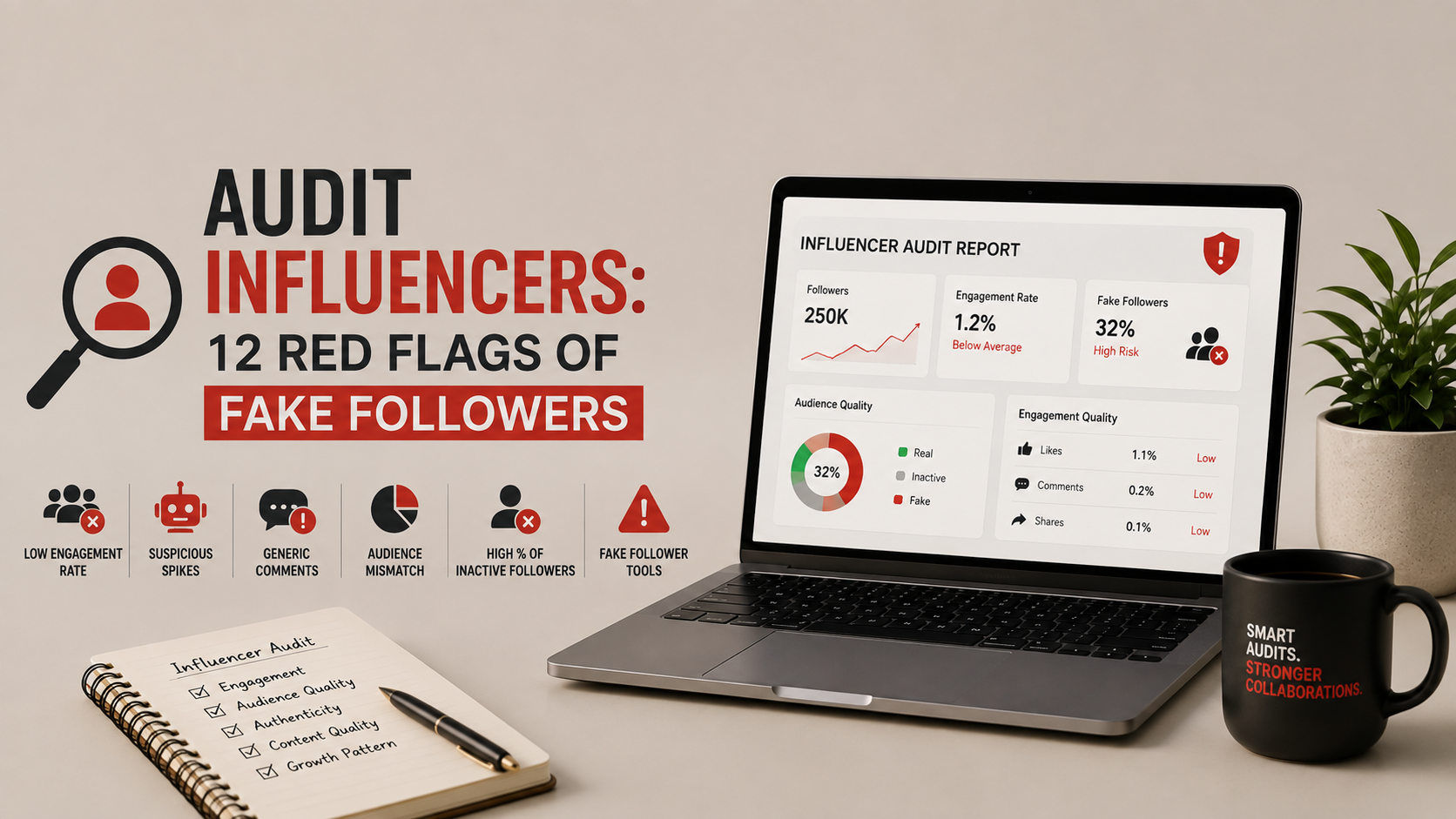
Mistake four: no fraud detection. Fake engagement wastes budget immediately. Allocate 5-10% to fraud detection and audience quality verification.
Indian D2C Brand Benchmarks for 2027
Most Indian D2C brands allocate 10-25% of total marketing budget to influencers. For growth-stage brands, this typically means ₹2,00,000-₹15,00,000 monthly.
Consumer brands in high-influencer-penetration categories (beauty, fashion, health) can allocate toward the higher end. Brands in lower-penetration categories (enterprise software, financial services) allocate toward the lower end.
The measurement reality: brands using 7-point attribution models and multi-touch conversion tracking now measure influencer ROI more accurately than ever. This accuracy enables smarter budget allocation quarter over quarter.
Building an influencer marketing budget for 2027 requires more than percentage-of-budget math. It requires clear business goals, understanding of cost structures, and measurement discipline. Fame Keeda works with brands to design budgets aligned to revenue targets, allocate efficiently across creator tiers, and measure ROI that justifies continued investment. Whether you're launching your first influencer program or optimizing an existing one, strategic budgeting transforms influencer marketing from an experimental line item into a core growth engine.