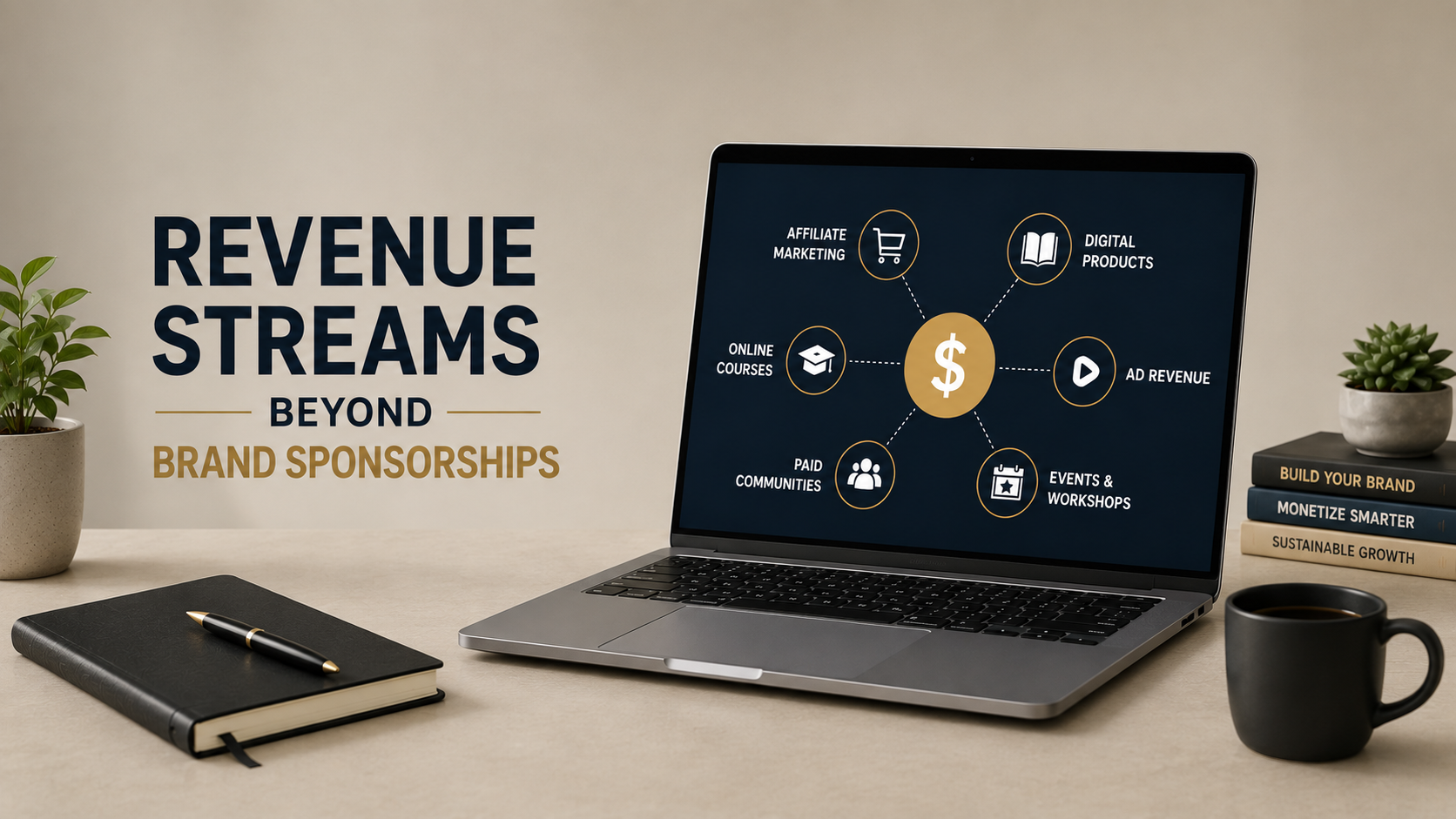
If you're a micro-influencer surviving on sponsorship deals alone, you're leaving money on the table. The creator economy has evolved dramatically, and the most successful creators no longer depend on a single income stream.
Here's the reality: 31% of creators cite affiliate marketing as their primary income source, with projected earnings reaching $1.3 billion in 2025. Meanwhile, some top-tier micro-influencers closer to the 100,000 follower mark or with exceptionally engaged audiences earn six figures annually from a combination of brand deals and other income streams. The difference isn't luck. It's diversification.
Micro-influencers currently earn $500-$5,000 per month by leveraging multiple income sources including affiliate marketing, brand partnerships, digital products, and automated DM strategies. Let's break down the seven most viable alternatives.
1. Affiliate Marketing: Performance-Based Income
Affiliate marketing remains the most accessible revenue stream for micro-influencers. You recommend products to your audience, they purchase through your unique link, and you earn a commission. Simple, scalable, and increasingly lucrative.
Affiliate partnerships are accessible at any follower count, and nearly half of brands now compensate influencers with a percentage of sales rather than flat fees. The advantages are clear: you get paid based on actual results, not just posting content. This performance-based income can accumulate over time, with influencers earning 5 to 20% of each sale they drive.
For micro-influencers in India, affiliate programs through Amazon Influencer, LTK, RewardStyle, and category-specific networks offer the most stable returns. The key is promoting products that genuinely align with your niche and audience interests.
2. User-Generated Content (UGC) Creation
This is where skill replaces follower count entirely. Brands pay creators to produce authentic-looking videos and photos for their products, regardless of whether you have a large following.
UGC creators earn between $50 to $1,000 per video, with Instagram Reels ranging from $50 to $500. Brands value this because including UGC on e-commerce pages boosts conversions by 161%. Unlike traditional influencer partnerships, UGC doesn't require you to post on your own account. Brands use your content in their paid ads, product pages, and marketing materials.
For micro-influencers, UGC work offers multiple advantages: faster payment (often within days), lower pressure than public endorsements, and the ability to work with dozens of brands simultaneously without audience fatigue.
3. Digital Products and Online Courses
Creators with even modest followings are earning $3,000 to $10,000 monthly selling niche digital tools that solve real problems for their audience. Think e-books, Canva templates, Lightroom presets, Notion planners, or video editing tutorials.
The math works: a fashion creator with 15,000 followers selling a $97 course to just 2% of their audience generates $29,000 in revenue. The advantage is scalability. Once created, digital products sell repeatedly without additional effort.
A finance coach like Pritam Patil earned ₹60 lakhs in just 7 months through targeted course offerings in niche education. The barrier to entry is low: you need subject matter expertise and the ability to communicate it clearly.
4. Memberships and Subscriptions
Platform subscriptions let you charge followers a recurring fee for exclusive content. Instagram Subscriptions allows creators to charge $0.99 to $99.99 per month for exclusive content. YouTube memberships, Substack, and Patreon offer similar models.
The catch: this requires building genuine loyalty. Creators offering tangible perks like early access to content, templates, and private Q&As retain 60% more subscribers after month 3. This works best when your audience values your expertise enough to pay for deeper access.
5. Sponsored Content and Brand Ambassadorships
While this falls under traditional sponsorships, the evolution is important. Brands are increasingly moving beyond one-off campaigns to long-term influencer partnerships and retainers. These ambassador deals provide stable, predictable monthly income.
80% of brand collaborations on platforms like Collabstr cost under $300, but micro-influencers can charge more as they build proof of performance. The trend is toward performance-based compensation. Expect: base fee plus performance bonus (10-15% commission on sales). Your high engagement rates as a micro-influencer make this attractive to brands.
6. Live Commerce and Virtual Events
Live and social commerce are reshaping the creator economy, turning creators into real-time sellers. Hosting live shopping events, webinars, or virtual workshops allows direct audience monetization.
Brands now pay creators to host live shopping events where products are demonstrated and purchased in real time. For educational or lifestyle creators, hosting paid workshops or masterclasses also generates significant revenue without requiring massive audiences.
7. Podcast Sponsorships and Creator Collaborations
If you have an audience, you can build a podcast, start a newsletter, or create long-form content as an additional revenue stream.
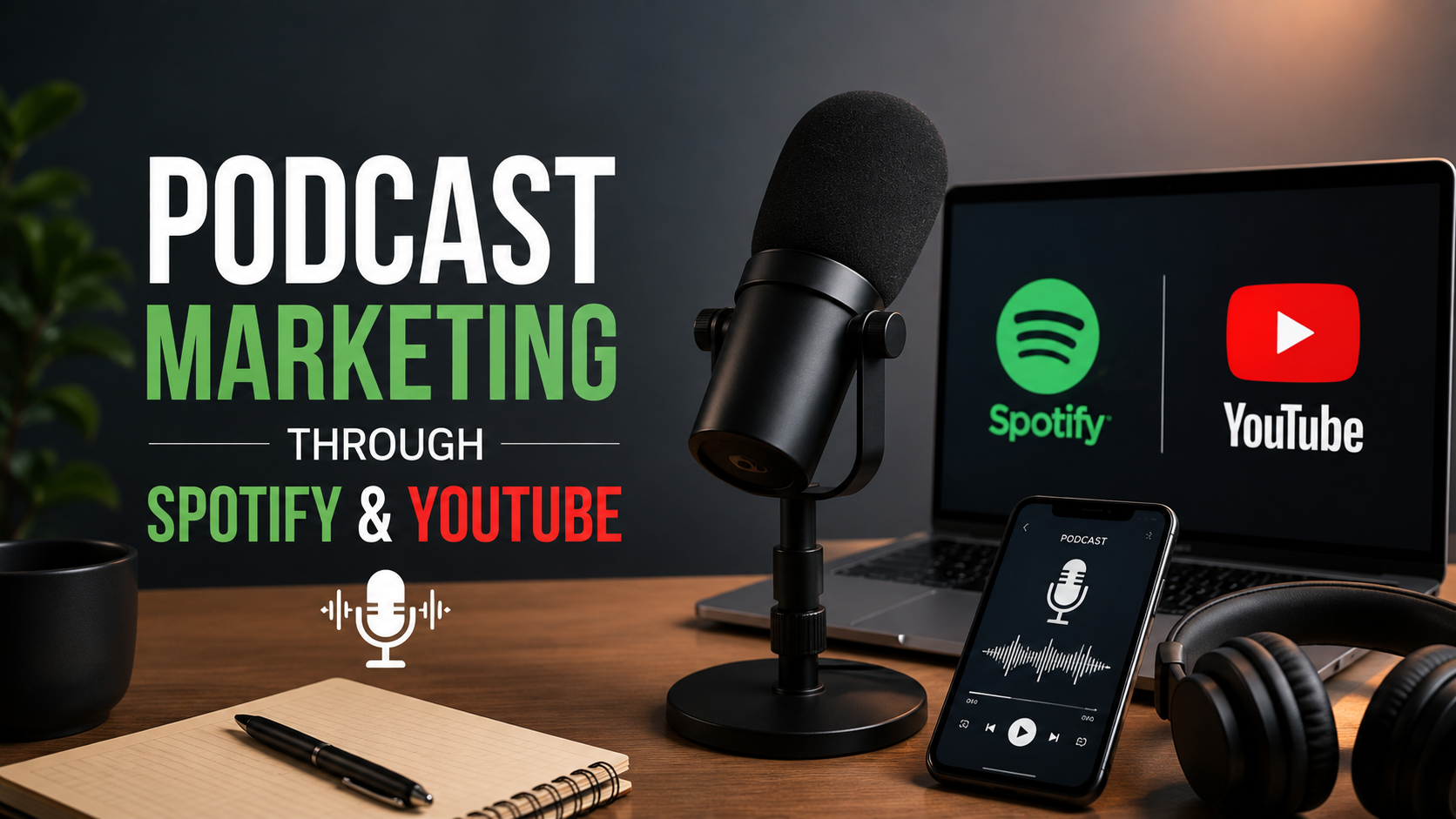
Podcast sponsorship has evolved far beyond simple audio advertising, with brands now treating podcast creators similarly to influencers because endorsement quality, audience trust, and host credibility often influence performance more than raw reach alone. Even micro-influencers can earn through host-read sponsorships and direct brand partnerships.
Alternatively, collaborate with other creators for cross-promotion, affiliate revenue sharing, or joint product launches. Micro and nano-creators with smaller, loyal audiences often have 3 to 5x higher conversion rates than mega-influencers. This makes you attractive for collaborations.
The Strategic Approach
The most successful micro-influencers don't choose one stream. They build a portfolio. Successful creators spread risk across brand deals, paid workshops, memberships, and live events so that when one stream slows, the others keep income steady.
Start with affiliate marketing (lowest friction, immediate implementation). Layer in UGC work (leverages your existing skills). Add a digital product once you've proven audience demand. Build to subscriptions and events as you establish authority.
India's creator economy is being reshaped toward authenticity-driven content, live commerce, and community-driven businesses. The opportunity is real, but the window favors creators who act now.
If you're building a multi-stream creator business, you need strategic guidance on which revenue streams fit your niche, how to negotiate fairly, and how to track profitability across channels. Fame Keeda works with micro-influencers to identify the right monetization mix, structure brand partnerships that include performance incentives, and build sustainable income systems that don't depend on any single platform or sponsor. Whether you're starting diversification or scaling existing revenue streams, the right strategy transforms inconsistent sponsorship income into predictable creator earnings.