Podcast marketing has quietly become one of the most effective channels for building brand trust and driving conversions. The question brands face now isn't whether to invest in podcasts, but which platform actually delivers better results.
India's podcasting market was valued at $0.62 billion in 2024 and is projected to reach $2.6 billion by 2030, growing at a CAGR of 25%. This growth reflects a fundamental shift in how Indian audiences consume content. Yet Spotify and YouTube dominate podcast distribution in completely different ways, each with distinct advantages for marketing campaigns.
Let's clarify which platform makes sense for your strategy.
The Market Context in India
Spotify entered India in February 2019 as the 8th audio streaming service in a market that PwC described as "the sleeping giant of the global podcast market." The platform has since built a significant foothold. By 2025, shows like The Ranveer Show established themselves as top Indian podcasts with 1 to 5 million views per episode on YouTube, while maintaining strong presence on Spotify.
However, YouTube has over 460 million active monthly users in India, with 67% of internet users engaging primarily with video content. This creates a fundamentally different distribution landscape. Video podcasts and audio-visual formats are gaining momentum alongside pure audio content.
How These Platforms Differ for Marketers
Spotify's Strength: Audio Depth and Repeat Listening
Spotify operates as an audio-first platform. The platform became the vehicle for developing a loyal customer base, repeat listening, and establishing deeper connections with listeners. This matters for brands because podcast listeners on Spotify typically consume episodes fully and return for new content consistently.
The algorithm surfaces podcasts based on listening history, search behavior, and playlist inclusion, meaning reach concentrates among already-engaged audiences. For brands, this creates a narrower but more committed listener pool.
YouTube's Strength: Discovery and Visual Storytelling
YouTube functions differently. Podcasts become searchable, indexable content that ranks for keywords and drives long-term traffic. In 2025, 1 billion people watched podcasts on YouTube monthly, showing no signs of slowing. This reach extends far beyond traditional podcast listeners to the broader video audience.
YouTube's algorithm favors watch time and engagement signals, allowing podcast content to surface months or years after posting. For brands seeking sustained visibility and discoverability, this is a significant advantage.
Advertising Formats and Performance
Understanding how brands actually advertise on each platform reveals the strategic differences.
Host-Read Sponsorships
Podcast sponsorship has evolved to treat podcast creators similarly to influencers, with endorsement quality, audience trust, and host credibility often influencing performance more than raw reach alone. Host-read ads work exceptionally well. Studies show host-read podcast ads can deliver up to 4.4x higher brand recall than display or social media.
According to Podscribe's Q4 2025 Performance Benchmark Report, host-read ads deliver a median conversion rate of 0.021% per impression, outperforming producer-read ads at 0.019%. The difference comes from authenticity. When a host endorses a brand in their own voice, listeners perceive it as a personal recommendation, not an interruption.
Programmatic and Dynamic Ads
Spotify enables dynamic ad insertion, allowing brands to run rotating ads across multiple shows simultaneously. This suits performance marketing where you're testing messaging and optimizing based on data. Spotify and Podbean rolled out new AI-based tracking tools in 2025 that can measure ad effectiveness within 48 hours of airing.
YouTube's approach differs. Video podcast sponsorships can include visual demonstrations, product integrations, or dedicated branded segments. The most sophisticated approach in 2026 is omnichannel: deep creator partnerships and activations that span a creator's entire ecosystem, including host-read sponsorships in the audio feed, branded segments in the video episode, and clips repurposed for social media.
ROI Realities and Attribution Challenges
Here's where honesty matters: Only 49% of marketers feel confident measuring podcast ROI, and this challenge intensifies since 71% of listeners multitask during episodes. Attribution remains difficult because podcast listeners often delay purchase decisions after hearing an ad.
However, Spotify's 2025 Brand Lift Study found that podcast listeners are 2.3 times more likely to consider purchasing from a brand that tells stories relevant to their interests. This suggests podcast marketing works more through brand-building and relevance than immediate clicks.
Successful brands address attribution through platform-specific tracking codes, custom landing pages, and post-purchase surveys. Track which podcasts drive traffic and conversions, not just impressions.
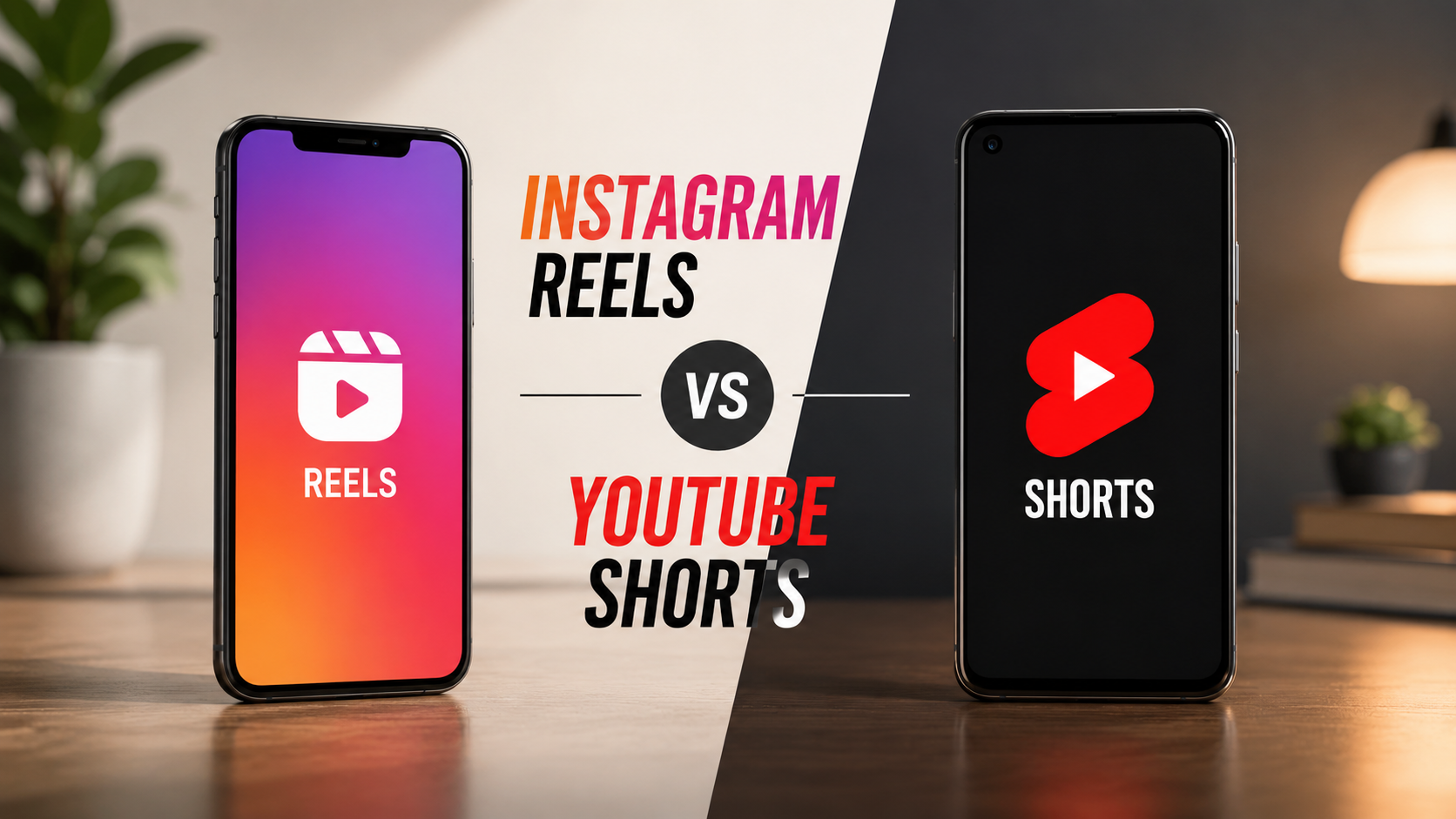
Which Platform for Which Goal?
Choose Spotify if you're building long-term listener relationships, targeting loyal audiences in specific niches (entrepreneurship, wellness, business), or working with established podcasts in verticals like finance and self-development. Spotify's repeat listening creates sustained brand exposure.
Choose YouTube if you're seeking broader discovery, have visual elements to showcase, want SEO benefits from searchable content, or need to reach audiences who discover through recommendations rather than subscriptions.
Most effective campaigns use both. Seed a Spotify sponsorship with a specific podcast for deep engagement, simultaneously distribute the same content on YouTube for broader reach and searchability.
The Podcast Creator Connection
Here's what often gets overlooked: podcast creators are fundamentally different from social media influencers, yet brands rarely treat them as such. LinkedIn creators, thought leaders, and podcast hosts are now legitimate influencers in the B2B space. The trust built through long-form conversation creates marketing opportunities that short-form social content simply can't match.
Successful podcast marketing strategy requires identifying the right creators whose audience aligns with your brand, negotiating authentic partnerships, and measuring impact beyond vanity metrics. This is where many brands falter.
If you're planning to scale podcast marketing across creators and platforms, you need strategic guidance on creator selection, negotiation, content alignment, and performance tracking. Fame Keeda works with brands to identify podcast creators who resonate with target audiences, structure partnership deals that drive authentic engagement, and build multi-platform podcast strategies that combine Spotify depth with YouTube discovery. Whether you're launching your first podcast campaign or scaling an existing program, the right creator partnership transforms podcasts from an experimental channel into a predictable growth engine.