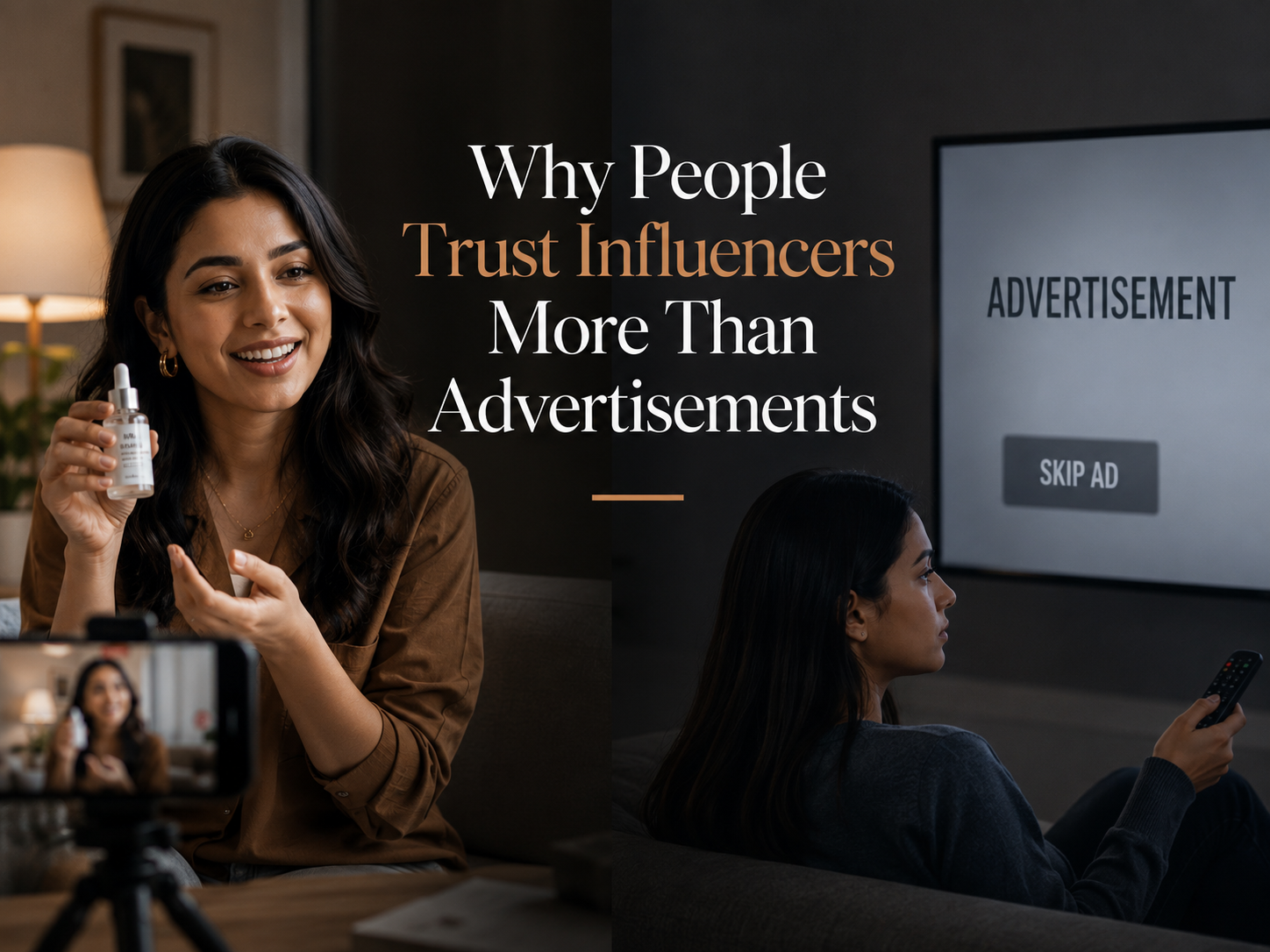
Why do people believe a creator's recommendation more than a professionally produced advertisement? The answer lies in trust. Consumers today are exposed to countless advertisements every day across websites, social media, television, and streaming platforms. As a result, many people have become selective about the marketing messages they pay attention to. Instead of relying only on brand advertisements, they increasingly look for recommendations from creators they follow and trust.
Influencers have built communities by consistently sharing experiences, opinions, and valuable content. Their followers often view them as relatable individuals rather than traditional advertisers. This relationship gives influencer marketing a unique advantage in today's competitive digital landscape.
For brands, understanding why consumers trust influencers more than advertisements can help create more effective marketing strategies that focus on authenticity instead of interruption.
The Changing Relationship Between Brands and Consumers
Consumer behavior has changed significantly over the past decade. People no longer rely solely on advertisements when making purchasing decisions.
Before buying a product, consumers often:
- Watch product reviews
- Read customer feedback
- Compare recommendations
- Search for creator opinions
- Look for real-life demonstrations
This research process reflects a growing demand for genuine experiences rather than promotional claims.
Influencers have become an important part of this decision-making journey because they provide practical insights that help audiences evaluate products before making a purchase.
Authenticity Creates Stronger Connections
One of the biggest reasons influencer marketing works is authenticity.
Successful creators usually share their personal experiences, daily routines, successes, and challenges. This consistent openness helps audiences feel connected to them over time.
When an influencer recommends a product that fits naturally into their lifestyle, followers often perceive the recommendation as honest rather than purely commercial.
Brands benefit when collaborations feel genuine and relevant to both the creator and the audience.
People Trust People More Than Brand Messages
Traditional advertising is created by brands to promote their own products or services. Consumers understand this objective and naturally approach advertisements with some level of skepticism.
Influencers, on the other hand, often communicate like friends sharing recommendations. Their content usually includes personal opinions, demonstrations, and real experiences instead of highly polished marketing messages.
This conversational style makes recommendations easier to believe.
Although sponsored partnerships should always be disclosed, transparency often strengthens rather than weakens audience trust when creators genuinely support the products they promote.
Influencers Build Communities, Not Just Audiences
Advertisements are designed to reach large numbers of people. Influencers focus on building communities around shared interests.
Whether the topic is fitness, beauty, travel, technology, finance, food, or parenting, creators encourage conversations through comments, live sessions, polls, and direct interactions.
These ongoing relationships help audiences feel connected, making recommendations more meaningful.
Communities also provide valuable feedback, allowing brands to better understand customer preferences and expectations.
Social Proof Influences Buying Decisions
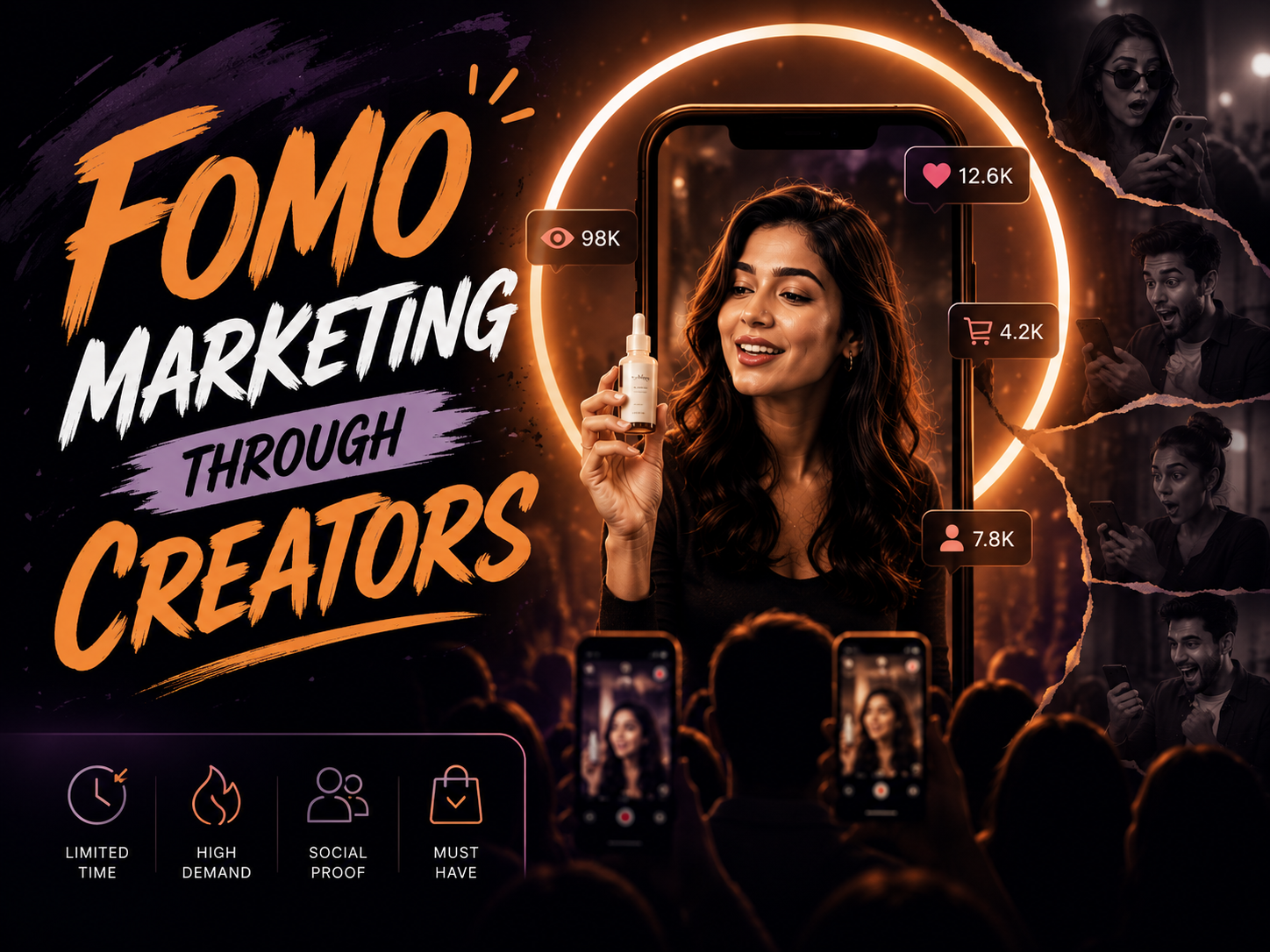
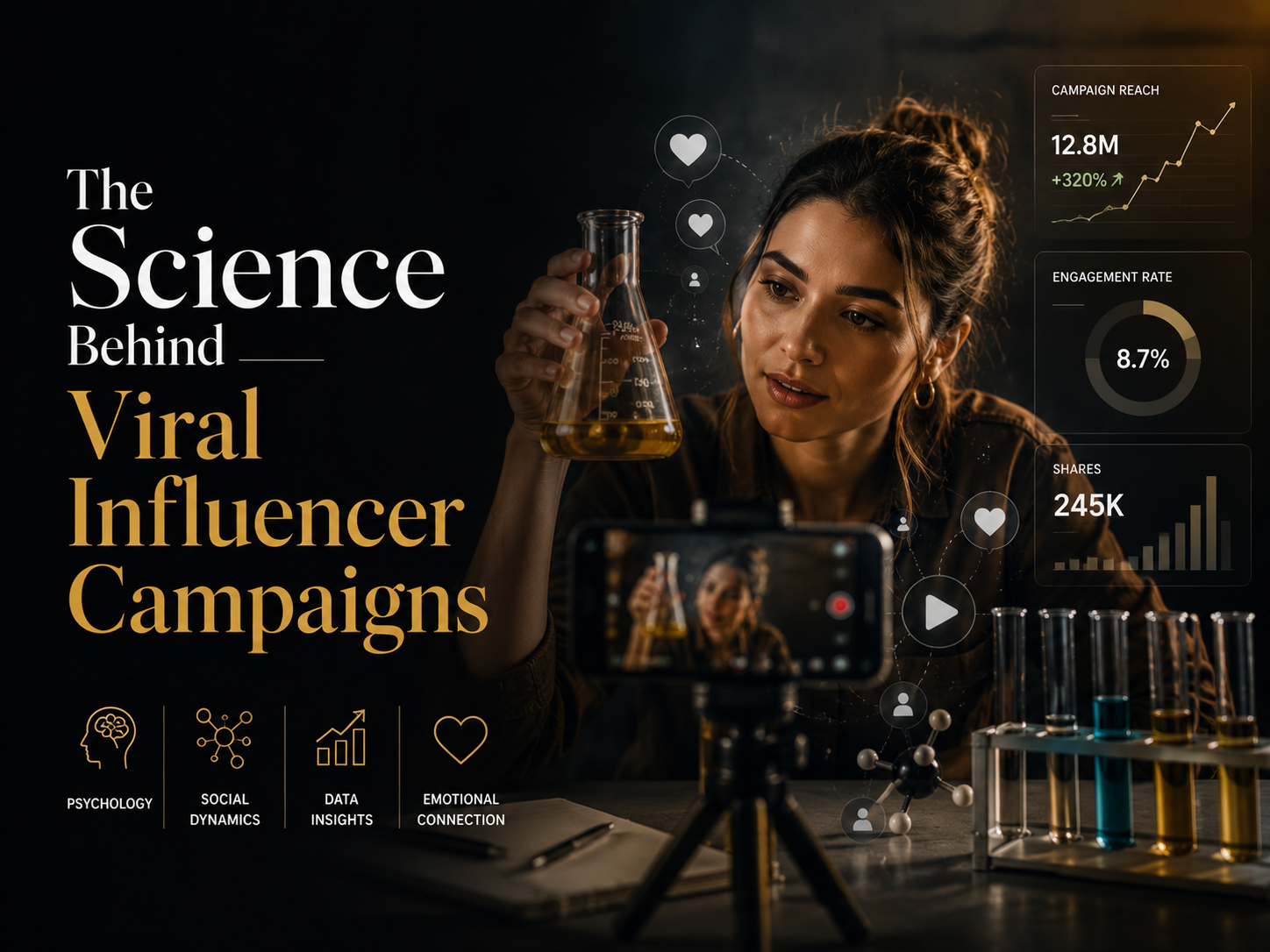
People naturally look at the actions and opinions of others before making decisions. This psychological principle, known as social proof, has become even more influential in the digital age.
When consumers see a trusted influencer using a product, reading positive comments from other followers, or watching genuine customer experiences, they become more confident about the purchase.
Social proof reduces uncertainty, especially when consumers are trying a new product or brand for the first time.
Product Demonstrations Build Confidence
Advertisements often focus on features and promotional messages.
Influencers usually show products in action.
A skincare creator may demonstrate how a product fits into a daily routine. A technology reviewer may test a device over several days. A fitness creator may explain how an application supports their workouts.
These demonstrations answer practical questions that advertisements sometimes overlook.
By showing real-life usage, influencers help consumers understand what they can realistically expect.
Two-Way Communication Strengthens Trust
Traditional advertising is generally one-directional. Brands communicate with consumers, but direct interaction is often limited.
Influencers regularly respond to comments, answer questions, conduct live sessions, and participate in discussions with their communities.
This ongoing communication creates a stronger sense of transparency and accessibility.
Followers feel that they can ask questions and receive honest answers before making purchasing decisions.
Why Micro Influencers Often Inspire Greater Trust
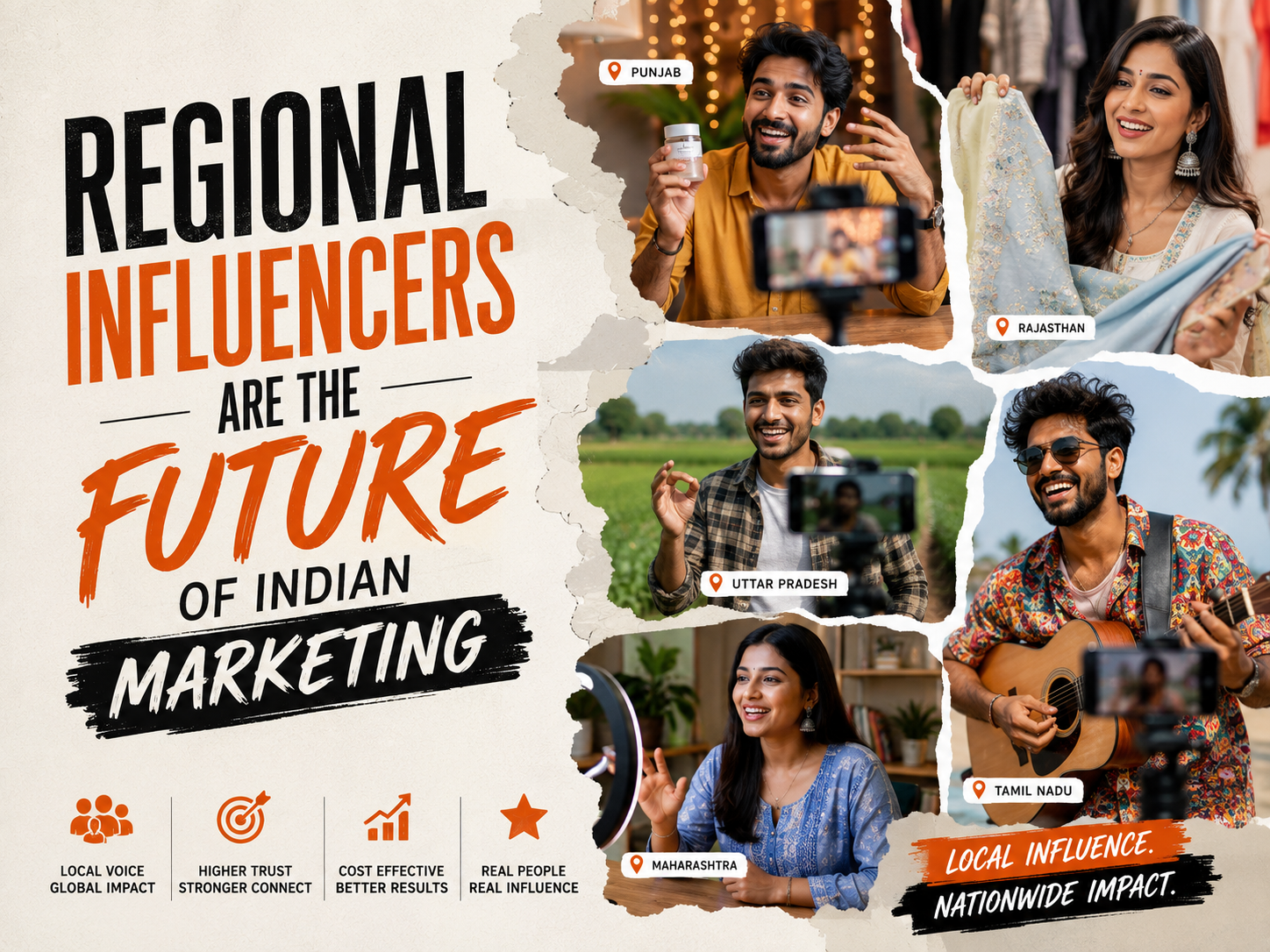
Many brands are discovering that smaller creators often achieve stronger engagement than celebrities or mega influencers.
Micro influencers typically focus on specific topics and build close relationships with their audiences.
Their recommendations often feel more personal because they engage regularly with followers and create highly relevant content.
| Influencer Type | Primary Strength |
|---|---|
| Nano Influencers | Highly personal community relationships |
| Micro Influencers | Strong engagement and niche expertise |
| Macro Influencers | Broad visibility across larger audiences |
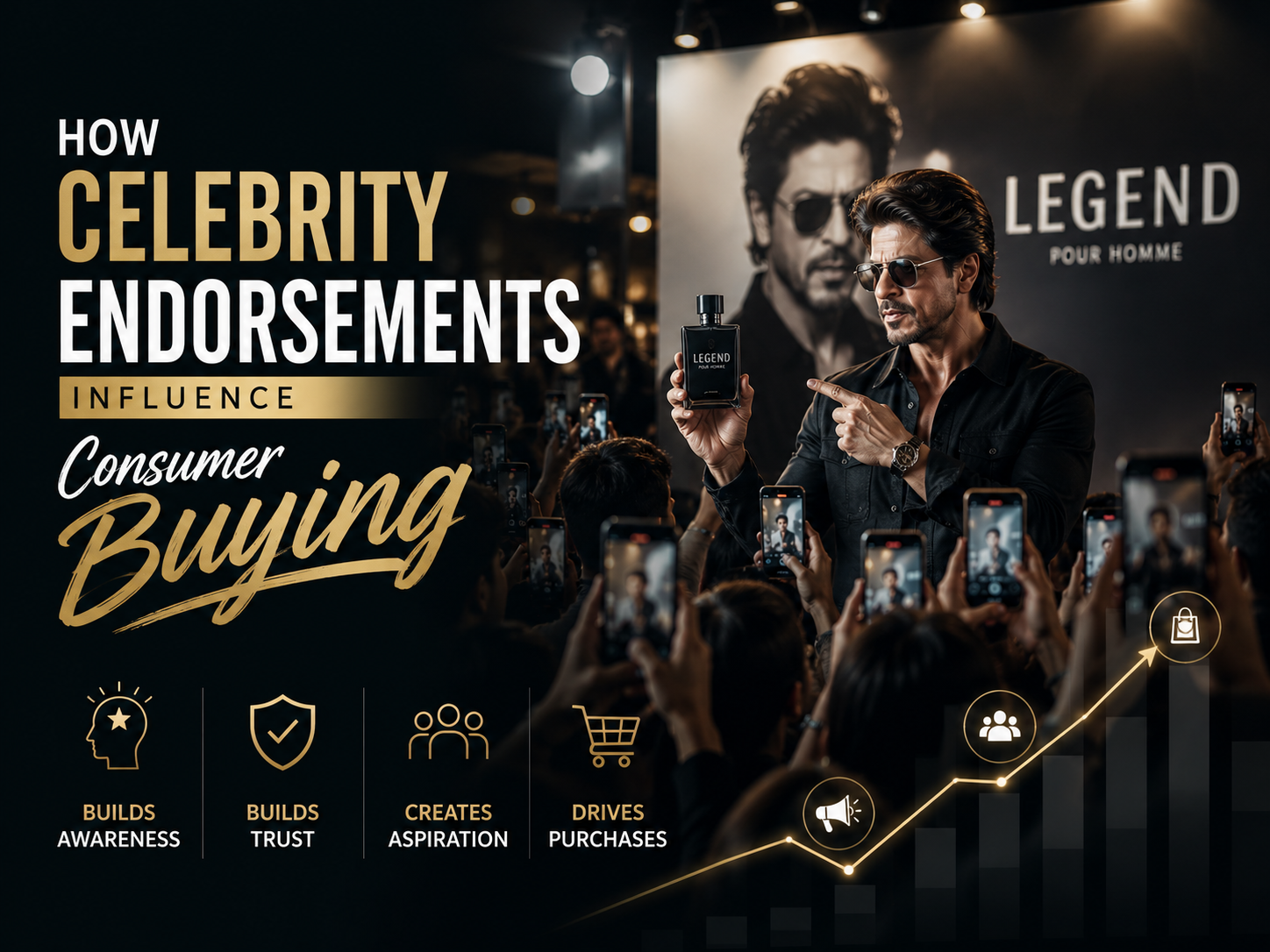
| Celebrity Influencers | Mass awareness and brand recognition |
The right influencer depends on the campaign objective rather than audience size alone.
Authentic Partnerships Deliver Better Results
Consumers can usually identify partnerships that feel forced.
Successful influencer campaigns happen when creators genuinely align with a brand's products, values, and audience.
Brands should allow influencers creative freedom so they can communicate naturally in their own style.
Authentic storytelling consistently performs better than heavily scripted promotional content.
Can Advertisements and Influencer Marketing Work Together?
Absolutely.
Advertisements remain an effective way to reach targeted audiences, generate awareness, and drive immediate traffic.
Influencer marketing adds trust, credibility, and community engagement.
Many successful brands combine both approaches by using influencer-created content within paid advertising campaigns. This strategy allows businesses to benefit from authentic storytelling while expanding reach through paid media.
Instead of replacing advertisements, influencer marketing strengthens the overall customer journey.
Common Mistakes Brands Make
Some businesses expect influencers to deliver immediate sales without first building awareness or educating customers.
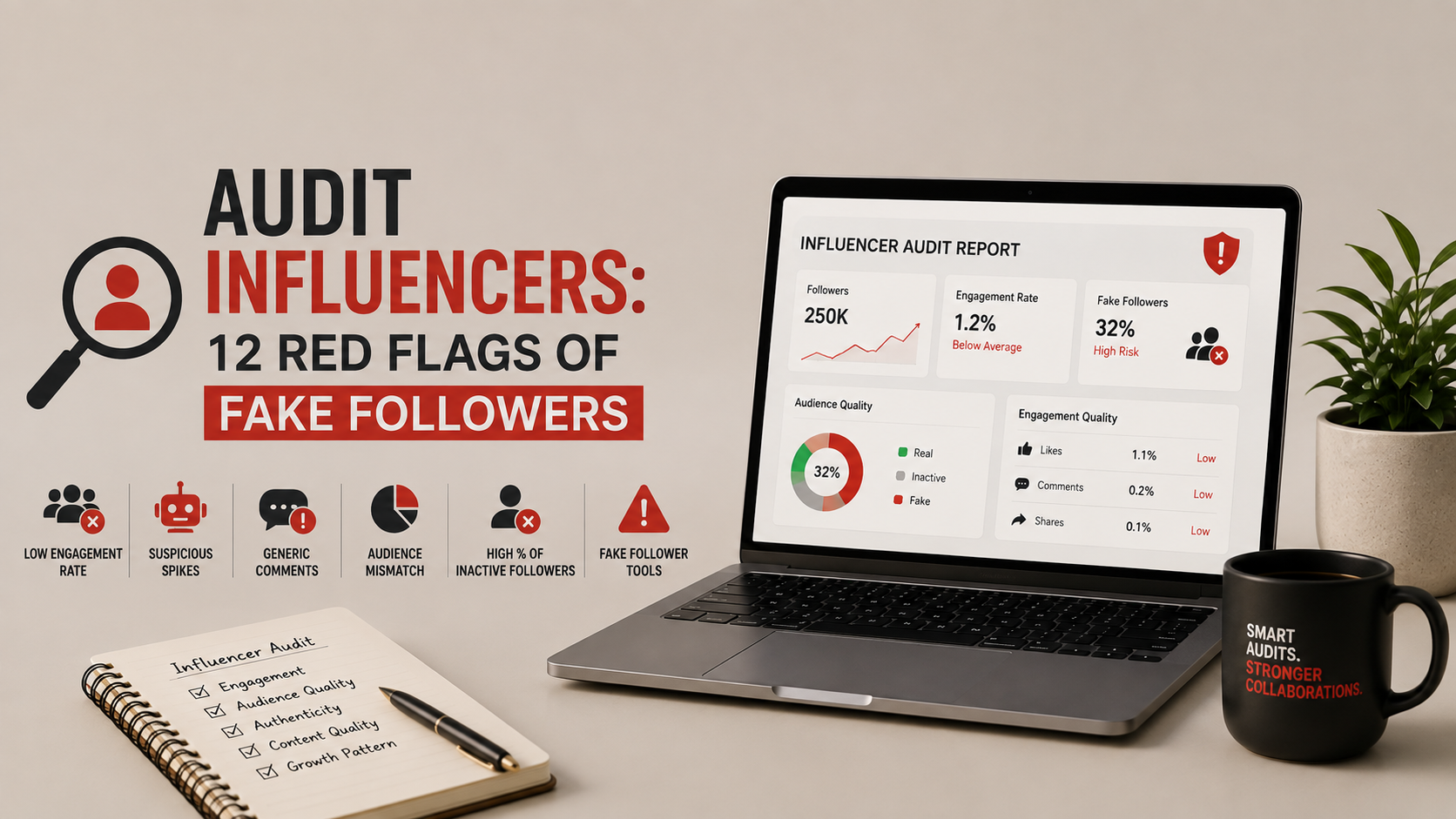
Others choose creators based only on follower numbers instead of audience relevance and engagement quality.
Brands also make the mistake of controlling every detail of the content. Audiences respond more positively when creators communicate naturally rather than reading scripted marketing messages.
Building trust requires long-term relationships rather than one-time promotional posts.
How Fame Keeda Helps Brands Build Trust Through Influencer Marketing
At Fame Keeda, we help brands connect with creators who genuinely influence their audiences. Our team develops influencer marketing strategies based on audience research, creator selection, campaign planning, content execution, and performance measurement.
We focus on building authentic partnerships that strengthen brand credibility, increase engagement, and generate measurable business outcomes.
Whether you are launching a new product, entering a new market, or growing your brand online, we help you create campaigns that audiences trust.
Conclusion
People trust influencers more than advertisements because creators build relationships before promoting products. Their recommendations are supported by personal experiences, community engagement, and authentic storytelling that audiences find relatable.
For brands, this shift presents an opportunity to move beyond traditional promotional messaging and build meaningful connections with consumers. Influencer marketing is most effective when partnerships are authentic, transparent, and aligned with audience expectations.
As digital marketing continues to evolve, businesses that prioritize trust alongside visibility will be better positioned to build lasting customer relationships and achieve sustainable growth.