Why do some influencer campaigns dominate social media while others barely get noticed? It is rarely a matter of luck. Viral influencer campaigns are built on a combination of audience psychology, strategic planning, platform algorithms, compelling storytelling, and perfect timing. While no campaign can guarantee millions of views, brands can significantly improve their chances by understanding the factors that encourage people to watch, engage, and share content.
Today's consumers are overwhelmed with content. Every day, they scroll through hundreds of posts, videos, and advertisements. To stand out, brands need more than attractive visuals or famous influencers. They need campaigns that spark conversations, encourage participation, and create emotional connections.
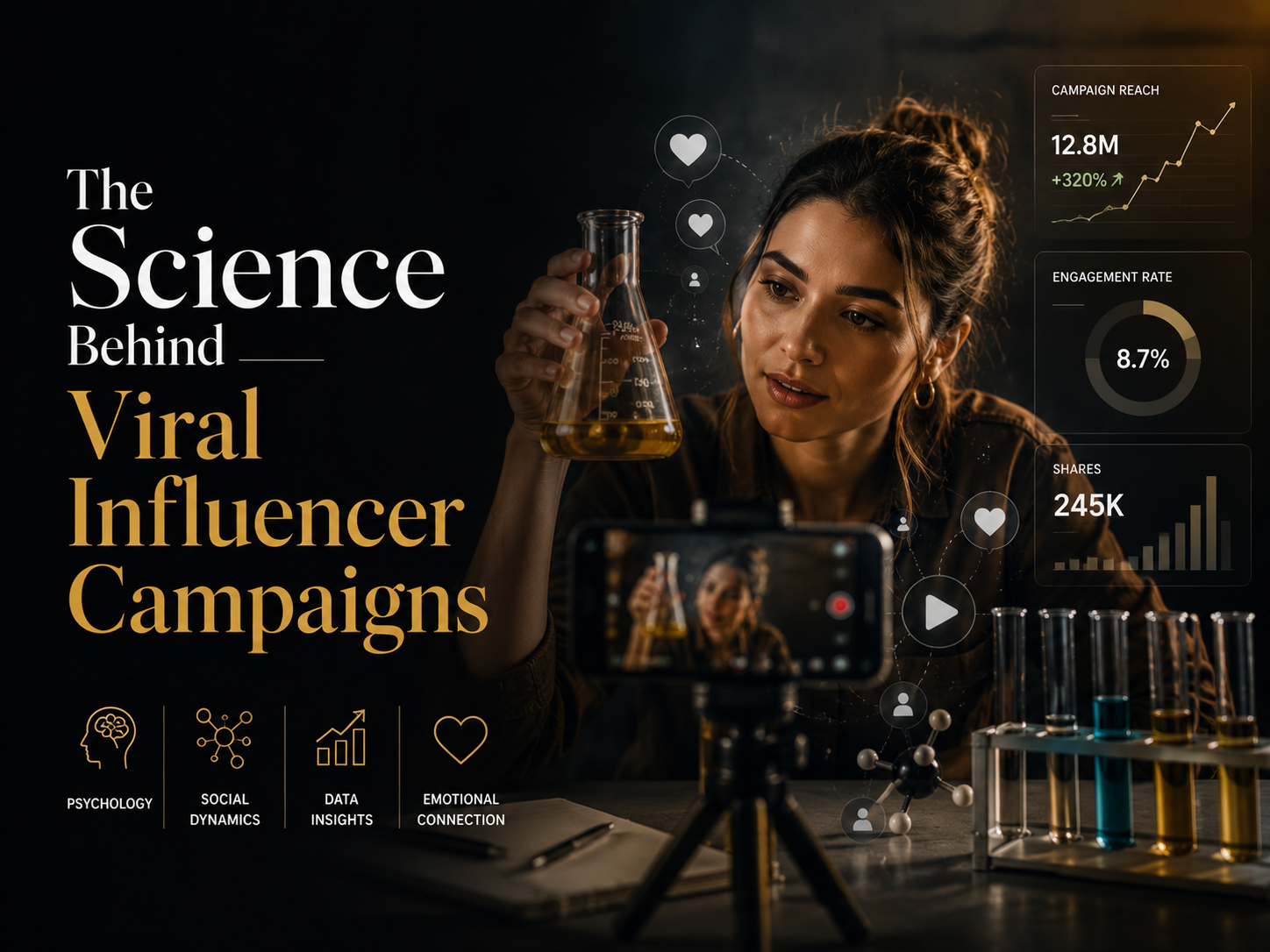
The science behind viral influencer campaigns lies in understanding why people share content and how digital platforms distribute it.
What Makes Content Go Viral?
Viral content spreads because people actively choose to share it with others. Unlike traditional advertising, which depends on paid distribution, viral campaigns grow through audience participation.
People are more likely to share content that:
- Entertains them
- Solves a problem
- Teaches something valuable
- Inspires an emotional response
- Makes them feel connected to a trend
- Reflects their personality or beliefs
The more a campaign encourages sharing, the greater its potential reach.
The Role of Psychology in Viral Campaigns
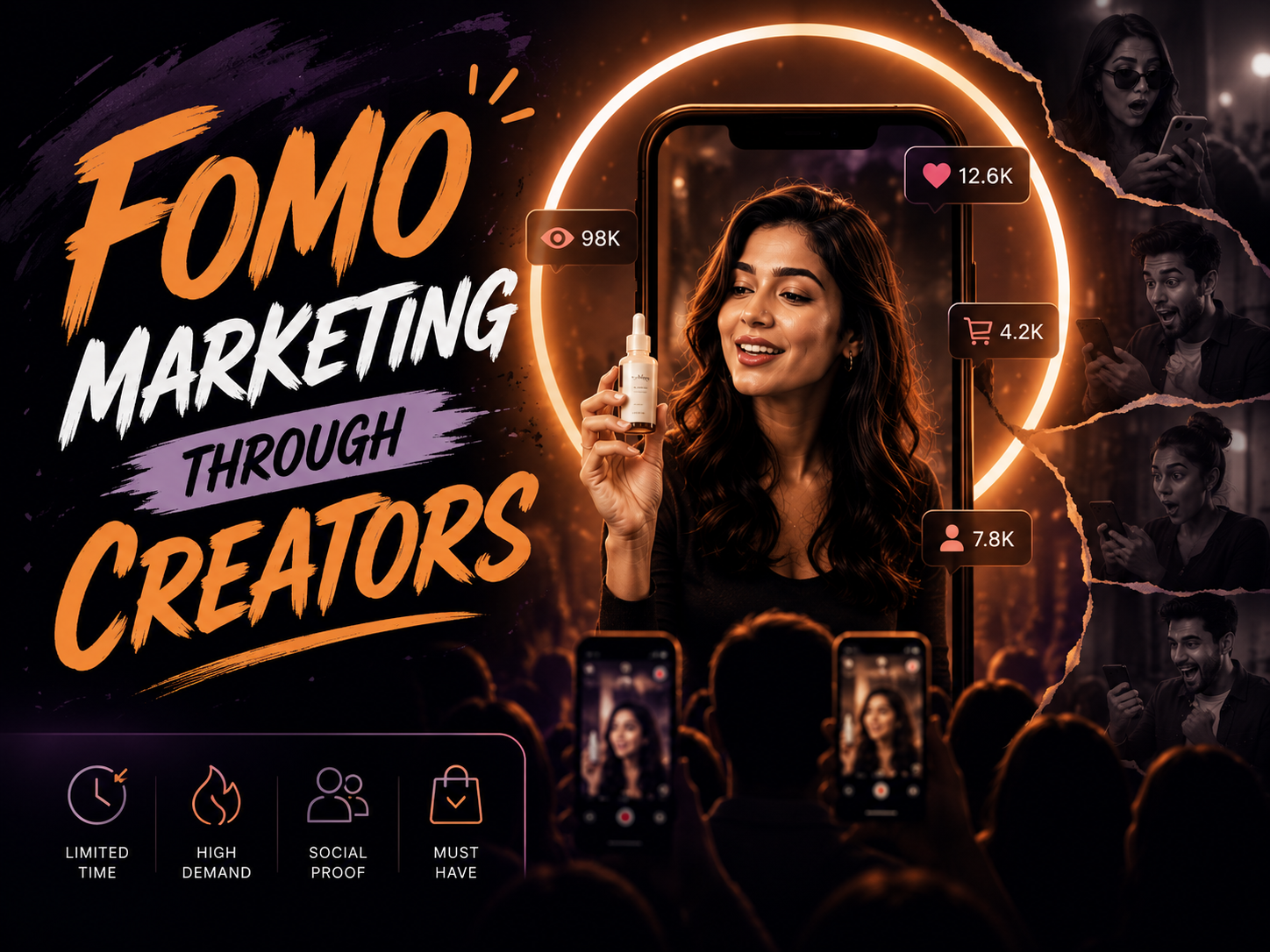
Human behavior plays a major role in content sharing. Successful influencer campaigns often trigger emotional responses such as excitement, curiosity, surprise, happiness, or inspiration.
Emotion motivates action. When people experience a strong emotional reaction, they are more likely to comment, tag friends, or repost the content.
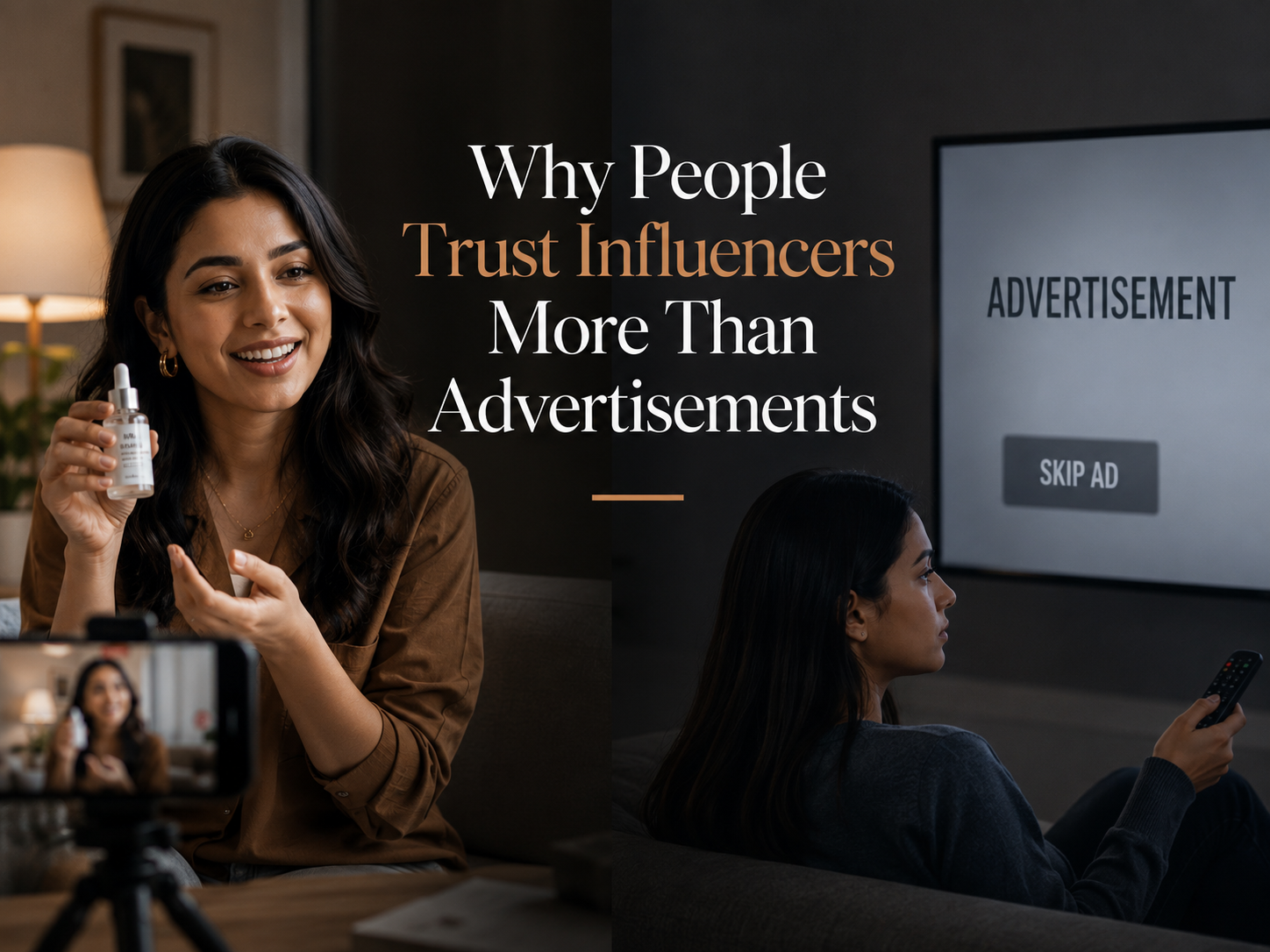
Influencers strengthen this effect because audiences already trust their opinions and enjoy their storytelling style.
Rather than feeling like advertisements, successful campaigns become conversations that audiences willingly join.
Authenticity Drives Higher Engagement
Modern consumers quickly recognize overly promotional content. Authentic recommendations consistently perform better because they feel natural and relatable.
Influencers who integrate products into their everyday routines often generate stronger engagement than creators who deliver scripted brand messages.
Authenticity also improves audience trust, which increases the likelihood of sharing and recommending content to others.
For brands, allowing creators creative freedom often produces better results than controlling every detail of the campaign.
Storytelling Makes Campaigns Memorable
People remember stories more than slogans.
Influencers excel at presenting products through personal experiences, challenges, transformations, and everyday situations. This storytelling approach helps audiences imagine themselves using the product.
For example, instead of simply promoting a travel application, a creator may share how it simplified an entire vacation. Instead of listing skincare ingredients, a beauty influencer may document a month-long routine and its results.
Stories create emotional investment, making campaigns easier to remember and share.
Platform Algorithms Reward Engagement
Every major social media platform uses algorithms to determine which content reaches larger audiences.
Although each platform uses different ranking signals, they generally reward content that generates early engagement.
Important engagement signals include:
| Signal | Why It Matters |
|---|---|
| Watch time | Indicates audience interest and content quality. |
| Shares | Expands reach beyond the original audience. |
| Comments | Encourages additional conversations. |
| Saves | Signals long-term content value. |
| Likes | Shows positive audience response. |
| Click-through rate | Measures interest in learning more. |
When influencer content performs well during the first few hours after publication, platforms are more likely to recommend it to additional users.
Choosing the Right Influencers Matters More Than Choosing the Biggest Ones
Many brands believe viral success depends on working with celebrities or mega influencers.
In reality, audience relevance often matters more than follower count.
Creators with highly engaged communities frequently generate stronger conversations because followers actively trust their recommendations.
Brands should evaluate:
- Audience demographics
- Engagement quality
- Content style
- Brand alignment
- Community interaction
- Previous campaign performance
Selecting creators whose audiences genuinely match the target market significantly improves campaign effectiveness.
Trends Can Accelerate Campaign Reach
Trending topics, seasonal events, and cultural moments create opportunities for brands to participate in ongoing conversations.
Influencers naturally understand how to adapt brand messages to current trends while maintaining authenticity.
However, brands should avoid forcing themselves into unrelated trends simply to gain visibility. Relevance remains more important than speed.
Campaigns that align naturally with audience interests are more likely to achieve sustainable engagement.
User-Generated Content Extends Campaign Lifespan
One of the most effective ways to create viral momentum is encouraging audiences to become part of the campaign.
Brands can invite users to:
- Participate in challenges
- Share personal experiences
- Create videos using branded hashtags
- Post reviews
- Join contests
- Showcase creative product usage
User-generated content transforms customers into brand advocates and significantly expands campaign reach.
Timing Influences Campaign Performance
Even excellent content can underperform if published at the wrong time.
Brands should consider:
- Audience activity patterns
- Seasonal demand
- Product launch schedules
- Industry events
- Cultural festivals
- Platform trends
Launching campaigns when audiences are most active improves visibility and increases early engagement.
Measuring the Success of Viral Influencer Campaigns
Virality should not be measured only by view counts.
Businesses should evaluate campaign performance using metrics that connect visibility with business outcomes.
| Metric | Purpose |
| Reach | Measures total audience exposure. |
| Engagement rate | Evaluates audience interaction. |
| Share rate | Indicates viral potential. |
| Website traffic | Tracks visitors generated by the campaign. |
| Conversion rate | Measures business impact. |
| Brand mentions | Shows conversation volume. |
| Return on investment | Evaluates campaign effectiveness. |
These metrics help brands understand whether viral attention translated into meaningful results.
Common Mistakes That Prevent Campaigns From Going Viral
Many campaigns fail because brands prioritize promotion over value.
Common mistakes include:
- Choosing influencers based only on follower count
- Overly scripted content
- Weak storytelling
- Ignoring audience interests
- Using irrelevant trends
- Measuring only impressions instead of business outcomes
Successful campaigns balance creativity, authenticity, and strategic planning.
The Future of Viral Influencer Marketing
As social media platforms continue to evolve, audiences will place even greater value on authenticity and community engagement.
Artificial intelligence will help brands identify trends, predict audience behavior, and optimize creator selection. However, human creativity, emotional storytelling, and genuine relationships will remain the foundation of viral campaigns.
Brands that combine data-driven insights with authentic creator partnerships will consistently outperform those relying only on paid promotion.
How Fame Keeda Creates High-Impact Influencer Campaigns
At Fame Keeda, we help brands design influencer campaigns that are built for visibility, engagement, and measurable growth. Our team combines audience research, creator discovery, campaign strategy, content planning, and performance analytics to maximize campaign impact.
Rather than chasing viral moments alone, we focus on creating campaigns that build brand awareness, strengthen customer trust, and deliver long-term business value.
Conclusion
Viral influencer campaigns are not created by chance. They succeed because they combine consumer psychology, authentic storytelling, strategic creator partnerships, platform understanding, and data-driven execution.
While no campaign can guarantee viral success, brands can dramatically improve their chances by creating content that audiences genuinely want to watch, discuss, and share.
The brands that consistently succeed are those that focus less on chasing algorithms and more on creating meaningful experiences that inspire real conversations. These are the campaigns that not only reach millions of people but also leave a lasting impression on consumers.