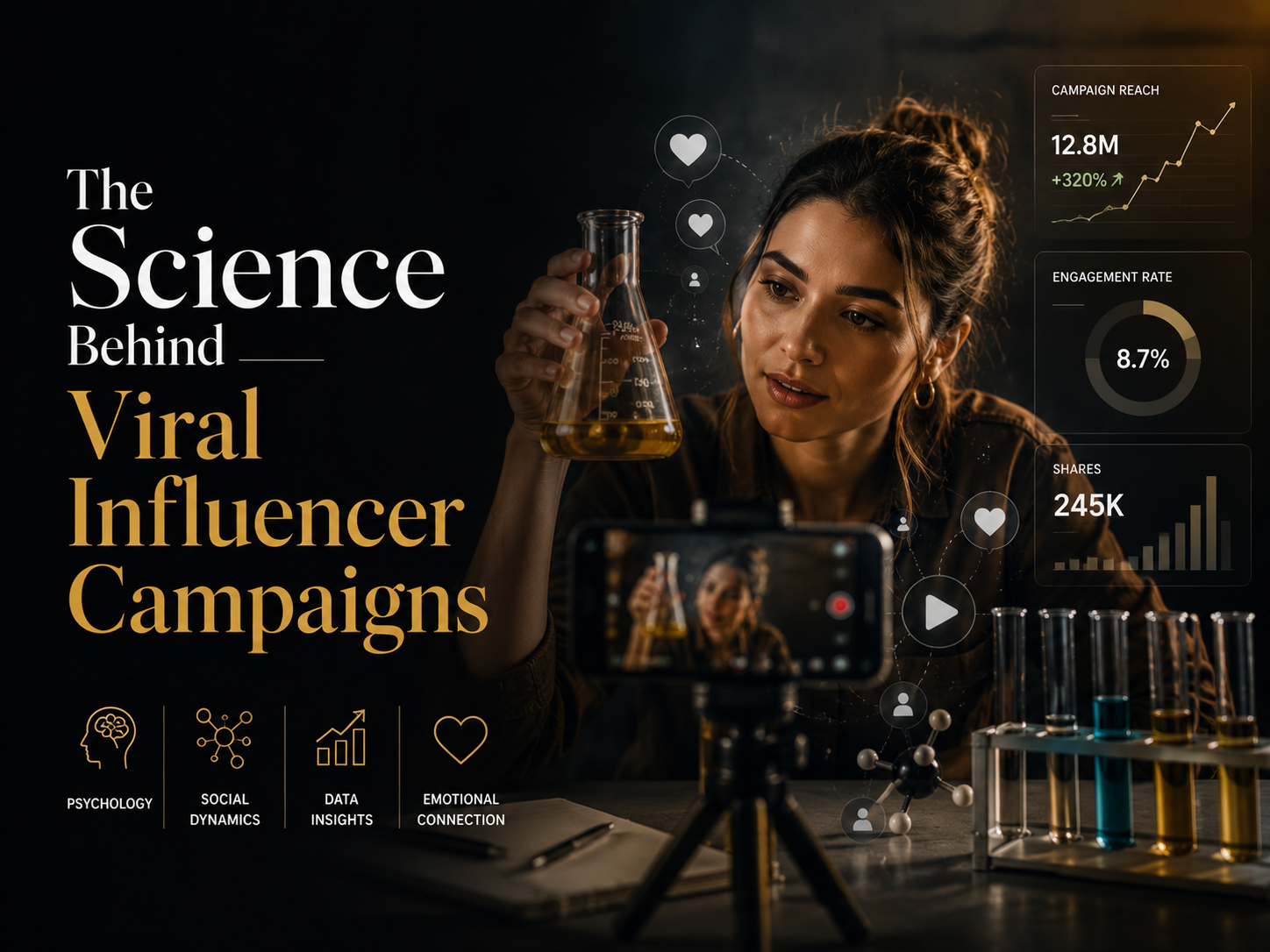
Why do people buy products simply because their favorite influencer recommends them? The answer goes beyond popularity. Influencer recommendations are effective because they tap into fundamental psychological principles that shape how people build trust, make decisions, and form emotional connections. Consumers are not only buying products. They are often buying confidence, convenience, and reassurance from someone they already trust.
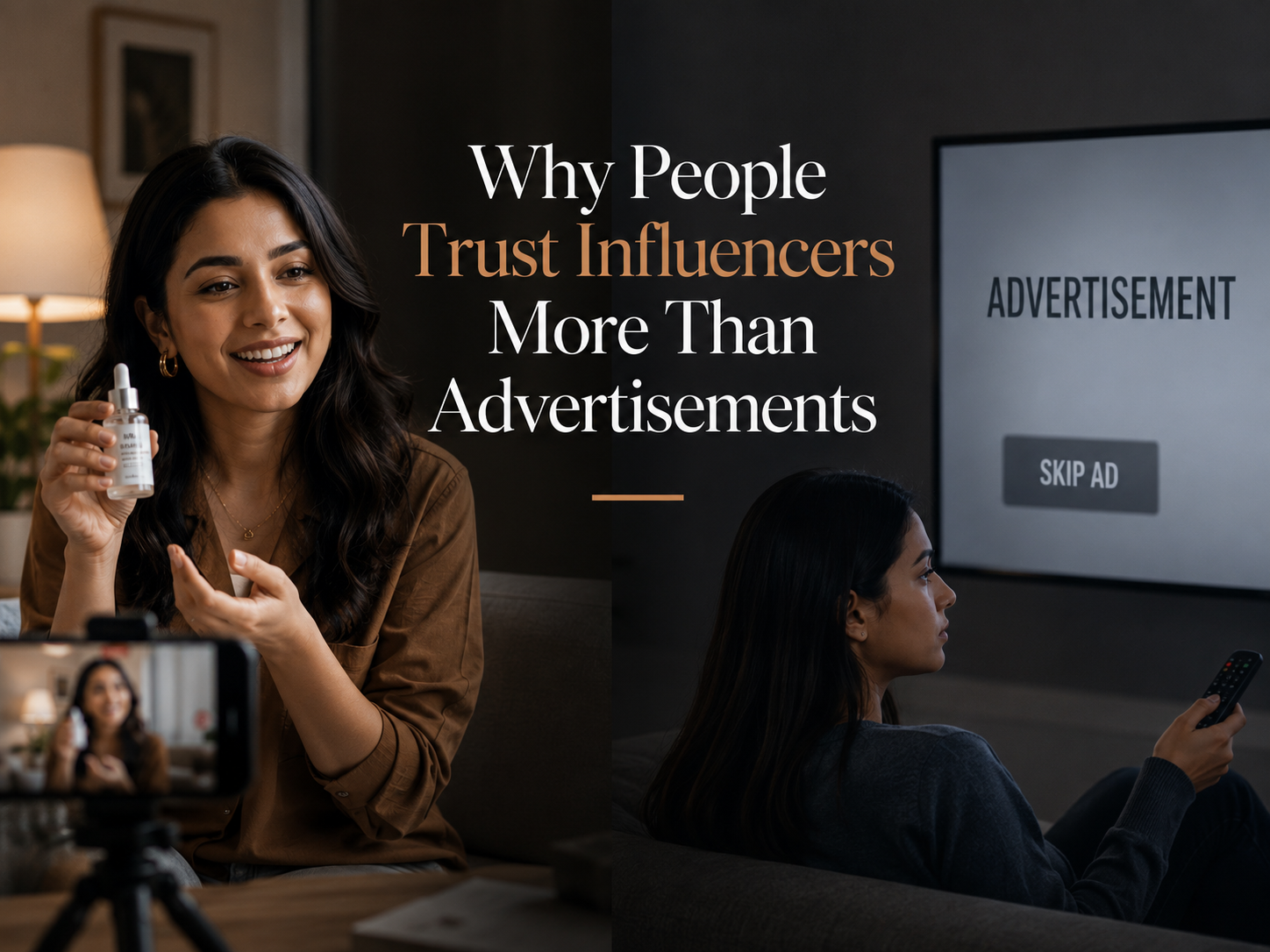
In today's digital world, people are exposed to thousands of marketing messages every day. Many advertisements are ignored because consumers recognize them as direct promotions. Influencers, however, communicate through stories, experiences, and conversations that feel more personal. This makes their recommendations more persuasive and memorable.
For brands, understanding the psychology behind influencer recommendations can lead to more authentic campaigns that build long-term customer relationships instead of simply generating short-term sales.
Trust Is the Foundation of Influence
People are naturally more likely to accept advice from someone they consider trustworthy. Influencers build this trust over time by consistently sharing valuable content, interacting with followers, and expressing genuine opinions.
Unlike traditional advertisements, influencer content often feels like a recommendation from a knowledgeable friend rather than a sales message. This familiarity reduces skepticism and makes audiences more open to exploring new products or services.
When trust exists before a promotion begins, marketing messages become significantly more effective.
Familiarity Creates Confidence
Psychologists have long observed that people tend to prefer things they encounter repeatedly. This concept, often referred to as the familiarity effect, also applies to influencer marketing.
Followers regularly watch an influencer's videos, stories, posts, and live sessions. Over time, this repeated exposure creates a sense of familiarity that increases comfort and confidence.
When the same creator recommends a product that naturally fits their content, followers are more likely to believe the recommendation because it comes from someone they already know and recognize.
Social Proof Reduces Uncertainty
Buying decisions often involve uncertainty. Consumers wonder whether a product is worth the investment, whether it delivers on its promises, or whether other people have had positive experiences.
Influencers provide social proof by demonstrating products in real situations and sharing personal experiences.
The effect becomes even stronger when followers see positive comments, testimonials, and discussions within the creator's community.
Instead of relying only on brand claims, consumers observe how others respond, making purchasing decisions feel less risky.
Emotional Connections Influence Decisions
Many purchasing decisions are driven by emotion before they are supported by logic.
Influencers often invite followers into their daily routines, celebrations, challenges, and personal milestones. This ongoing storytelling creates emotional connections that traditional advertisements rarely achieve.
When a product becomes part of these authentic experiences, audiences associate positive emotions with both the creator and the brand.
These emotional associations increase brand recall and purchasing confidence.
Relatability Makes Recommendations More Believable
Consumers often trust influencers because they appear more relatable than celebrities or large corporations.
Creators share everyday experiences that audiences recognize from their own lives. Whether discussing skincare routines, budgeting tips, travel experiences, fitness goals, or parenting challenges, influencers communicate in ways that feel practical and realistic.
When followers believe, "This person is like me," product recommendations become more persuasive.
Brands benefit when they partner with creators whose lifestyles naturally align with their products.
Authority Builds Credibility
Not every influencer is an expert, but many establish authority within a specific niche through consistent, high-quality content.
Technology reviewers explain new gadgets in detail. Fitness creators demonstrate workout techniques. Financial educators simplify complex topics. Beauty creators compare products through practical demonstrations.
This perceived expertise makes recommendations more credible because audiences believe the creator understands the category.
The stronger the creator's authority within a niche, the greater their ability to influence purchasing decisions.
Storytelling Makes Products Memorable
Stories are easier to remember than product features.
Instead of listing specifications, influencers often explain how a product solved a problem or improved their daily life. These personal experiences create context that helps audiences imagine themselves using the product.
For example, a travel creator might explain how a luggage brand made an international trip easier, while a productivity creator might demonstrate how an application improved time management.
Stories make recommendations feel natural rather than promotional.
Community Validation Reinforces Decisions
Influencer marketing is rarely a one-way conversation.
Followers regularly ask questions, leave comments, share opinions, and discuss products with one another. These conversations create community validation that strengthens confidence in purchasing decisions.
When potential customers see other community members sharing positive experiences, they become more comfortable making similar choices.
This collaborative environment increases the overall impact of influencer recommendations.
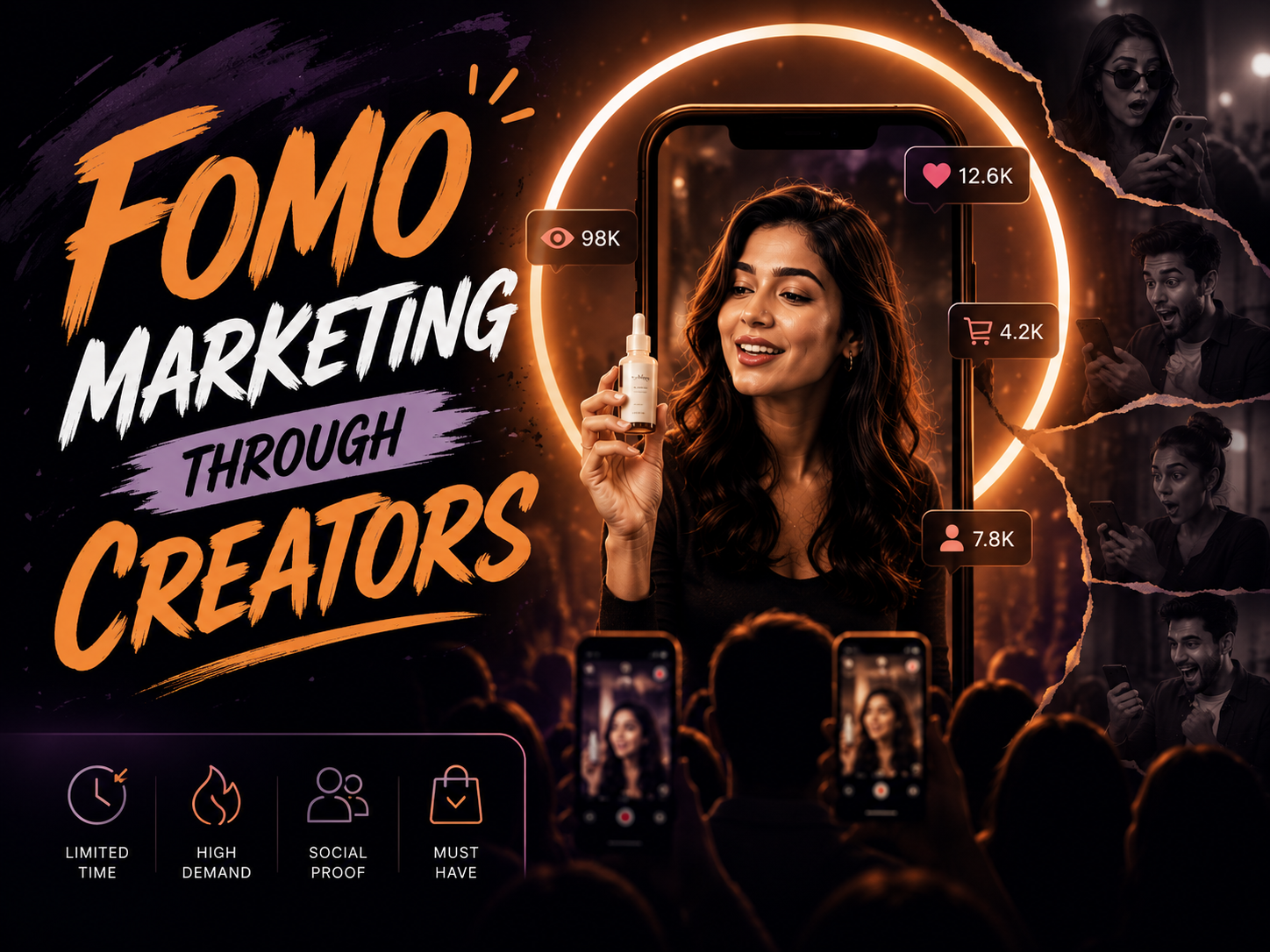
Scarcity and Exclusivity Encourage Action
Many influencer campaigns include limited-time discount codes, early access opportunities, or exclusive product launches.
These offers create a sense of urgency that encourages consumers to act sooner rather than delaying their decision.
When combined with trust and authenticity, exclusive offers become even more persuasive because followers believe they are receiving genuine value from someone they respect.
However, brands should use scarcity responsibly to maintain credibility.
The Importance of Authentic Brand Partnerships
Consumers have become increasingly skilled at identifying partnerships that feel forced or purely commercial.
The most successful influencer campaigns happen when creators genuinely believe in the products they recommend.
Authenticity is strengthened when:
- The product fits naturally into the creator's content.
- The influencer explains personal experiences.
- The recommendation addresses a real audience need.
- Sponsored partnerships are disclosed transparently.
- Brands allow creators creative freedom.
These factors help maintain audience trust while delivering stronger campaign performance.
Common Psychological Mistakes Brands Make
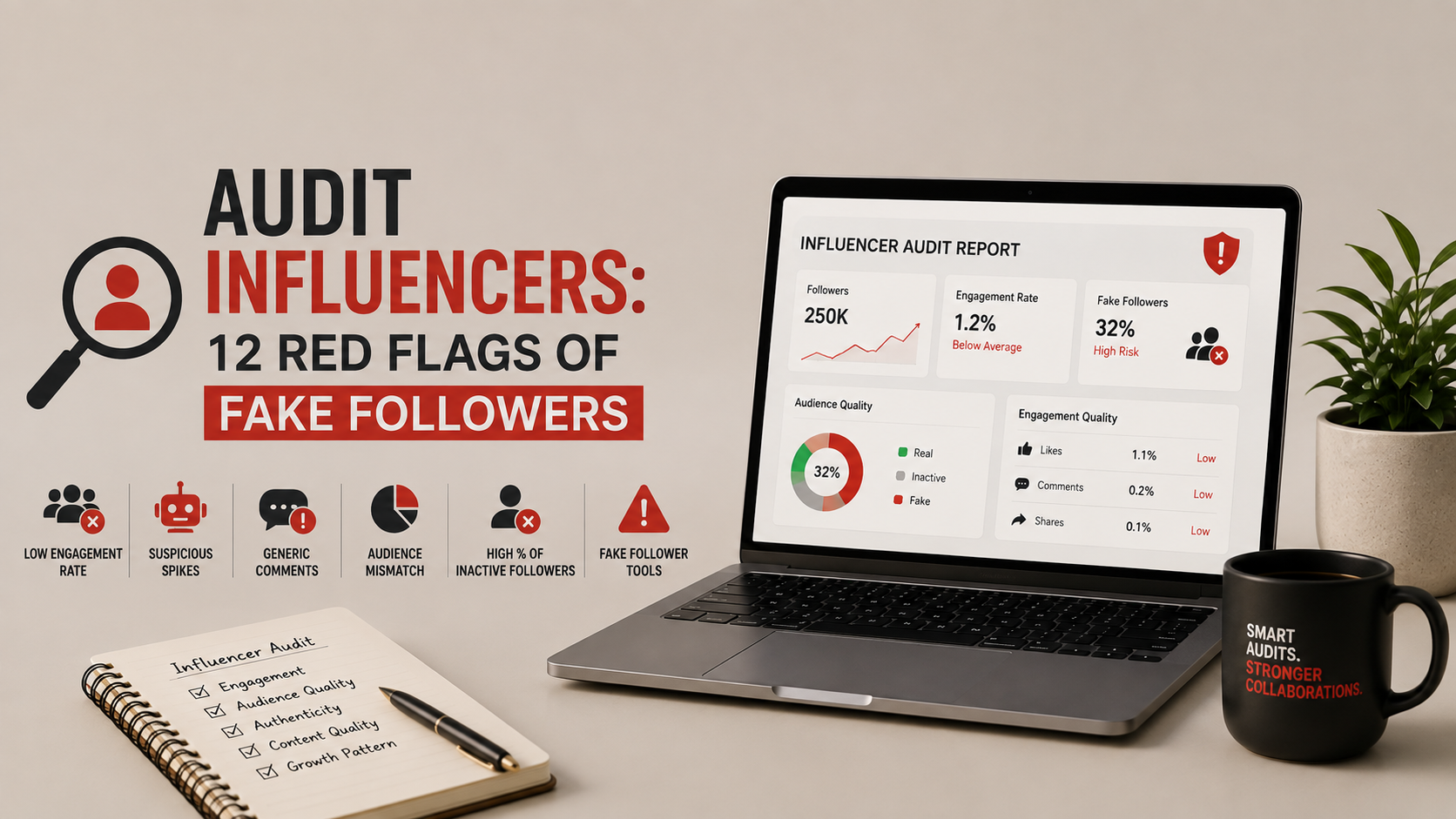
Some businesses assume that popularity alone guarantees influence.
In reality, psychological connection matters far more than follower count.
Common mistakes include:
| Mistake | Impact |
|---|---|
| Choosing creators only for large audiences | Lower relevance and weaker engagement |
| Overly scripted content | Reduces authenticity and trust |
| Ignoring audience alignment | Decreases campaign effectiveness |
| Focusing only on immediate sales | Misses long-term brand building |
| Repeating promotional messages too often | Leads to audience fatigue |
Brands that understand consumer psychology create campaigns that feel helpful rather than intrusive.
The Future of Psychology-Driven Influencer Marketing
As artificial intelligence and marketing automation continue to evolve, human trust will become even more valuable.
Consumers will increasingly seek recommendations from creators who demonstrate expertise, transparency, and authenticity. Communities will continue to influence buying decisions through conversations rather than one-way promotional messages.
Future influencer campaigns will focus less on reaching the largest audience and more on building meaningful psychological connections with the right audience.
How Fame Keeda Creates High-Impact Influencer Campaigns
At Fame Keeda, we believe successful influencer marketing starts with understanding people, not just platforms. Our team combines audience research, consumer psychology, creator discovery, campaign strategy, and performance analysis to build partnerships that inspire trust and encourage action.
By matching brands with creators who genuinely connect with their communities, we help businesses create campaigns that improve awareness, engagement, and measurable business growth.
Conclusion
The psychology behind influencer recommendations is rooted in trust, familiarity, emotional connection, and social proof. These factors help explain why consumers often value a creator's recommendation more than a traditional advertisement.
For brands, influencer marketing is not simply about working with popular personalities. It is about understanding how people think, what builds confidence, and why authentic relationships influence purchasing decisions.
Businesses that apply these psychological principles thoughtfully can create influencer campaigns that strengthen customer trust, improve brand perception, and generate sustainable long-term growth.