The skincare industry in India is growing faster than ever. With increasing awareness about skincare routines, ingredients, and self-care, consumers are constantly looking for trusted recommendations before buying products. This is exactly why influencer marketing has become one of the most effective growth strategies for skincare brands.
From dermat-approved routines to “Get Ready With Me” videos, influencers have the power to influence purchase decisions instantly. Whether it’s a new sunscreen launch, acne-care serum, or luxury skincare line, creators help brands build trust, awareness, and conversions in a highly competitive market.
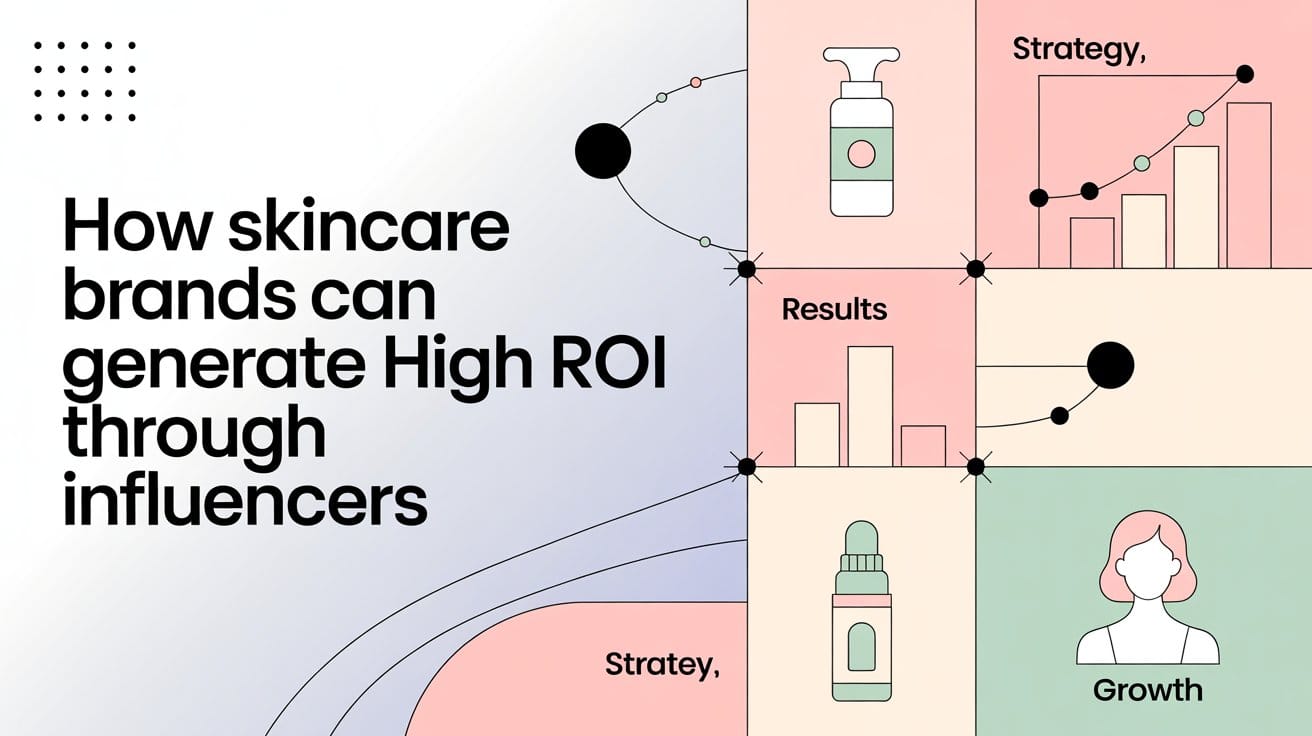
But the real question is, how can skincare brands generate high ROI through influencer marketing? Here’s a complete breakdown.
Why Influencer Marketing Works So Well for Skincare Brands
Skincare is a highly visual and experience-driven category. Consumers want to see real results, product textures, before-and-after transformations, and honest reviews before spending money.
Influencers make this possible through authentic storytelling and relatable content. Instead of traditional ads, audiences see products being used naturally in everyday routines. This creates credibility and encourages users to try the products themselves.
Beauty and skincare creators also have highly engaged communities. Their followers trust their recommendations because they often share personal skincare journeys, product experiences, and genuine opinions.
Choose the Right Influencers, Not Just Big Influencers
One of the biggest mistakes skincare brands make is focusing only on follower count. While celebrity influencers can create massive visibility, micro and mid-tier influencers often deliver better engagement and conversions.
Creators with smaller but loyal communities tend to have stronger audience trust. Their product recommendations feel more authentic, leading to higher purchase intent.
For skincare campaigns, brands should collaborate with:
- Beauty influencers
- Dermatologists and skincare experts
- Lifestyle creators
- Makeup artists
- Wellness creators
- College and Gen Z creators
The key is choosing influencers whose audience matches your target customers.
For example, a luxury skincare brand may work with premium lifestyle creators, while an affordable acne-care brand may benefit more from Gen Z influencers who create relatable skincare content.
Focus on Educational Content
Today’s skincare audience is ingredient-conscious and research-driven. Users want to understand how products work, what ingredients they contain, and what skin concerns they solve.
Instead of hard-selling products, skincare brands should focus on educational influencer content, such as:
- Morning and night skincare routines
- Ingredient breakdown videos
- “How to use” tutorials
- Before-and-after results
- Skincare myths vs facts
- Dermatologist-backed explanations
Educational content builds trust and positions the brand as reliable and informed.
Use Short-Form Video Content
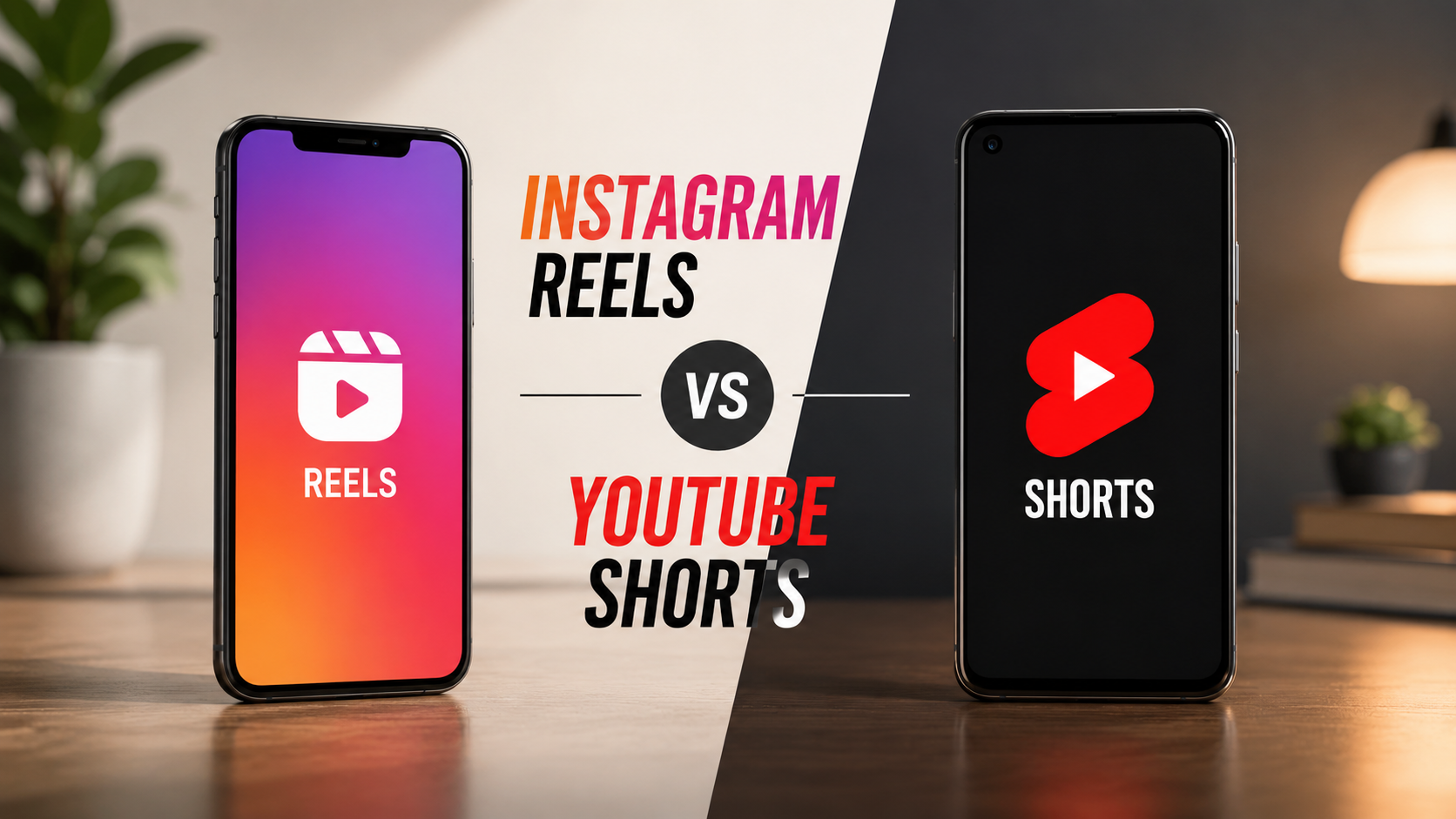
Platforms like Instagram Reels, YouTube Shorts, and Snapchat Spotlight have changed the way skincare content is consumed. Short-form videos generate higher reach, engagement, and discoverability compared to static posts.
Quick skincare hacks, transitions, product demos, and transformation videos perform exceptionally well because they grab attention instantly.
Brands should encourage influencers to create:
- GRWM (Get Ready With Me) videos
- Product application demos
- 15–30 second skincare tips
- Trending audio-based content
- Real-time skincare updates
Short-form video content also increases the chances of organic virality, helping brands achieve better ROI without spending heavily on ads.
Encourage Authentic Reviews
Consumers can easily identify overly scripted promotional content. Authenticity is one of the biggest factors behind successful skincare influencer campaigns.
Allow creators to share genuine experiences with products instead of forcing rigid scripts. Honest reviews create stronger trust and improve audience confidence.
Many successful skincare campaigns include creators discussing:
- Their actual skin concerns
- Product consistency and texture
- Visible improvements over time
- Realistic expectations
- Daily usage experiences
This type of content feels more relatable and drives better conversion rates.
Leverage User-Generated Content (UGC)
Influencer-generated UGC can become a long-term marketing asset for skincare brands. Instead of using influencer content only once, brands can repurpose it across:
- Instagram ads
- Website product pages
- Email campaigns
- Amazon listings
- Landing pages
- Brand social media
UGC-style content often performs better than polished advertisements because it feels more natural and trustworthy.
By combining influencer partnerships with UGC strategies, brands can maximize the value of every campaign.
Track Performance Metrics Properly
To generate high ROI, skincare brands must track campaign performance carefully. Vanity metrics alone are not enough.
Important metrics include:
- Engagement rate
- Website clicks
- Conversion rate
- Coupon code usage
- Saves and shares
- Watch time
- Cost per acquisition (CPA)
- Return on ad spend (ROAS)
Using trackable links, affiliate codes, and influencer-specific discount codes helps brands measure real business impact.
Build Long-Term Influencer Relationships
One-time collaborations may create temporary buzz, but long-term partnerships build stronger brand trust.
When followers repeatedly see creators using the same skincare products over time, the recommendations feel more believable. Consistent partnerships also help brands establish stronger recall value.
Many successful skincare brands work with the same influencers for months instead of single sponsored posts.
Final Thoughts
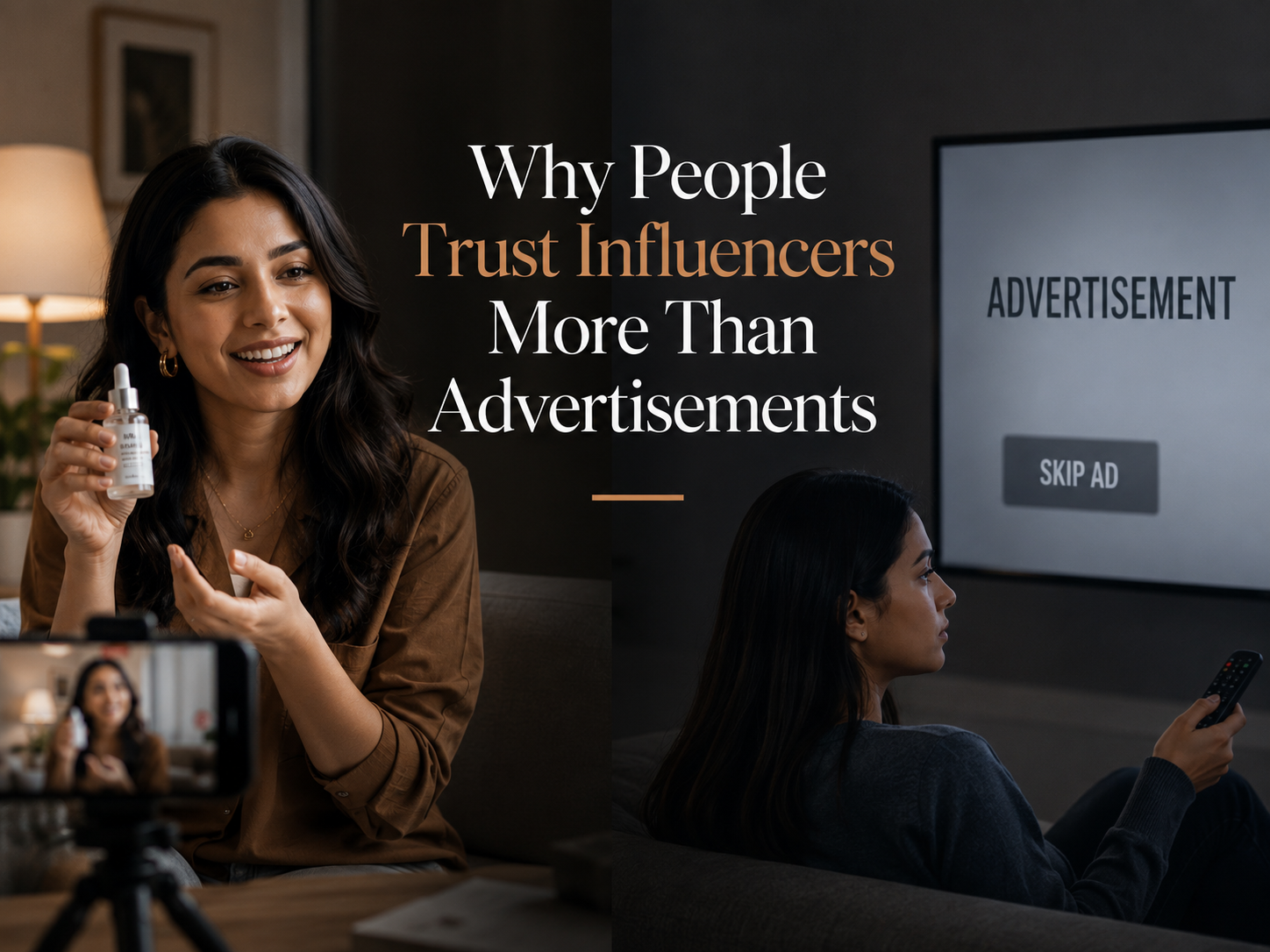
Influencer marketing has become one of the most profitable growth channels for skincare brands in India. Consumers trust creators more than traditional advertisements, especially in categories like beauty and skincare, where authenticity matters deeply.
By choosing the right influencers, focusing on educational content, using short-form videos, and encouraging authentic storytelling, skincare brands can significantly improve engagement, conversions, and long-term customer loyalty.
The brands that prioritize trust-driven influencer marketing today are the ones building the strongest skincare communities for the future.
CTA
Want to scale your skincare brand with high-performing influencer campaigns?Fame Keeda helps skincare and beauty brands connect with top influencers across Instagram, YouTube, and Snapchat to drive real engagement, sales, and ROI.