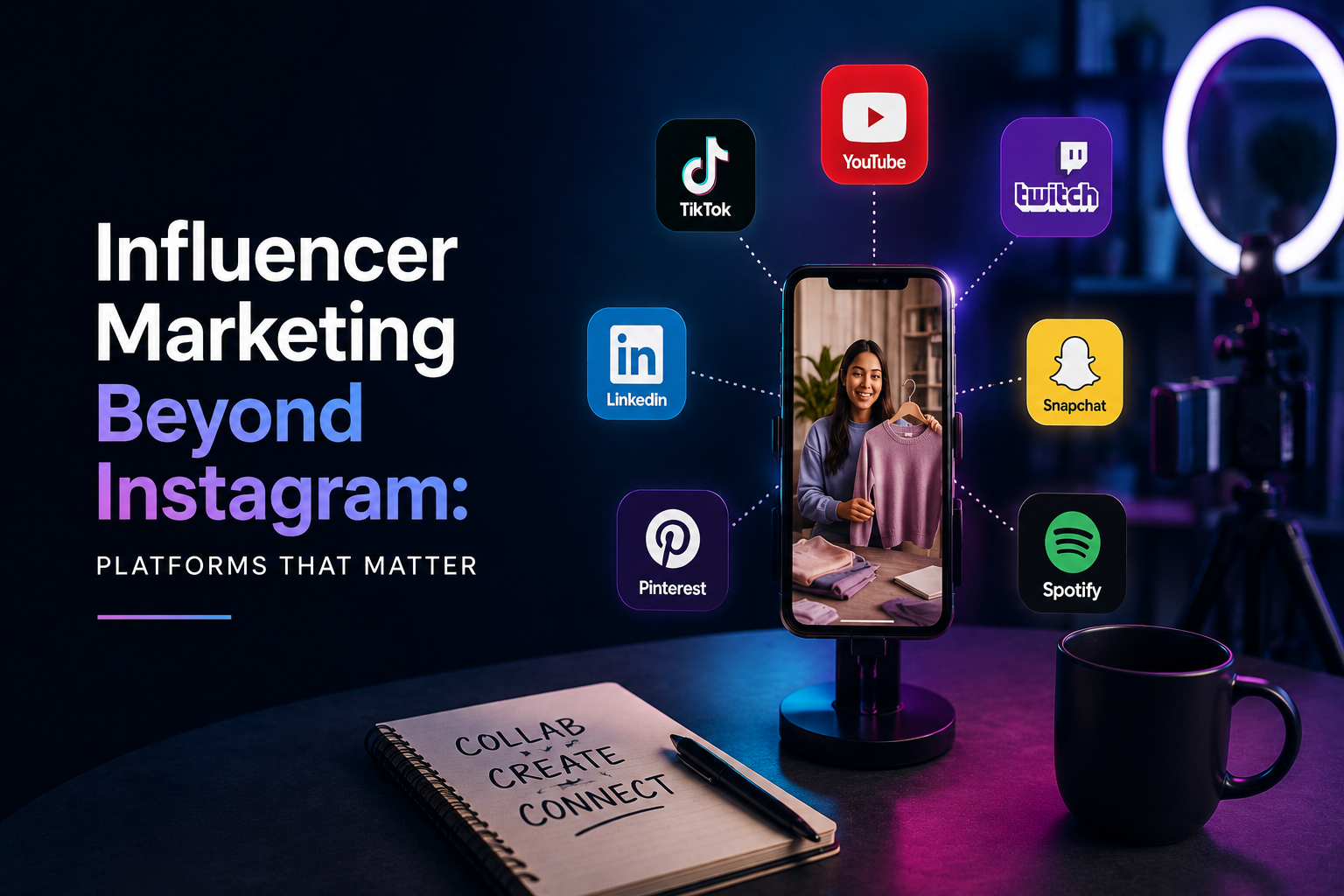
Is Instagram the only platform where influencer marketing works? Not anymore. While Instagram remains one of the most popular channels for creator partnerships, the influencer marketing landscape has expanded significantly. Brands today have opportunities to collaborate with creators across multiple platforms, each offering unique audiences, content formats, and engagement opportunities.
Consumers are no longer discovering products through a single channel. They learn about brands through videos, podcasts, online communities, live streams, reviews, and creator recommendations across different platforms. This shift has encouraged businesses to move beyond Instagram and build multi-platform influencer strategies.
In 2026, successful influencer marketing will depend less on choosing the biggest platform and more on selecting the right platform for the brand's audience, goals, and content style.
Why Brands Need a Multi-Platform Influencer Strategy
Instagram has traditionally dominated influencer marketing because of its visual content, strong creator ecosystem, and brand-friendly features. However, relying on a single platform can limit campaign opportunities.
Different platforms attract different types of audiences and support different purchasing behaviors. A beauty brand may benefit from Instagram tutorials, while a technology company may achieve better results through detailed YouTube reviews. A business targeting younger audiences may find strong engagement through short-form video platforms.
A multi-platform approach allows brands to reach consumers at different stages of the buying journey while creating more diverse content experiences.
YouTube: The Platform for Deep Influence
YouTube remains one of the most powerful platforms for influencer marketing because it allows creators to build deeper relationships with audiences through long-form content.
Unlike short videos that capture quick attention, YouTube content often provides detailed explanations, reviews, tutorials, comparisons, and educational content. This makes the platform highly effective for products that require consideration before purchase.
Industries that benefit from YouTube influencer marketing include:
- Technology and gadgets
- Education and online courses
- Beauty and skincare
- Finance and investment
- Automotive
- Fitness and wellness
A trusted YouTube creator can influence purchasing decisions because audiences often view them as experts within their niche.
TikTok and Short-Form Video Platforms: The Power of Discovery
Short-form video has transformed how consumers discover trends, products, and brands. Platforms focused on short videos allow creators to reach new audiences quickly through engaging and highly shareable content.
The strength of these platforms lies in discovery. Users often encounter products they were not actively searching for, creating opportunities for brands to generate awareness and demand.
Successful influencer campaigns on short-form platforms usually focus on:
- Authentic product demonstrations
- Creative storytelling
- Trend participation
- Entertainment-driven content
- Community engagement
For brands targeting younger audiences, short-form video platforms remain an important part of influencer strategy.
LinkedIn: The Growth of B2B Influencer Marketing
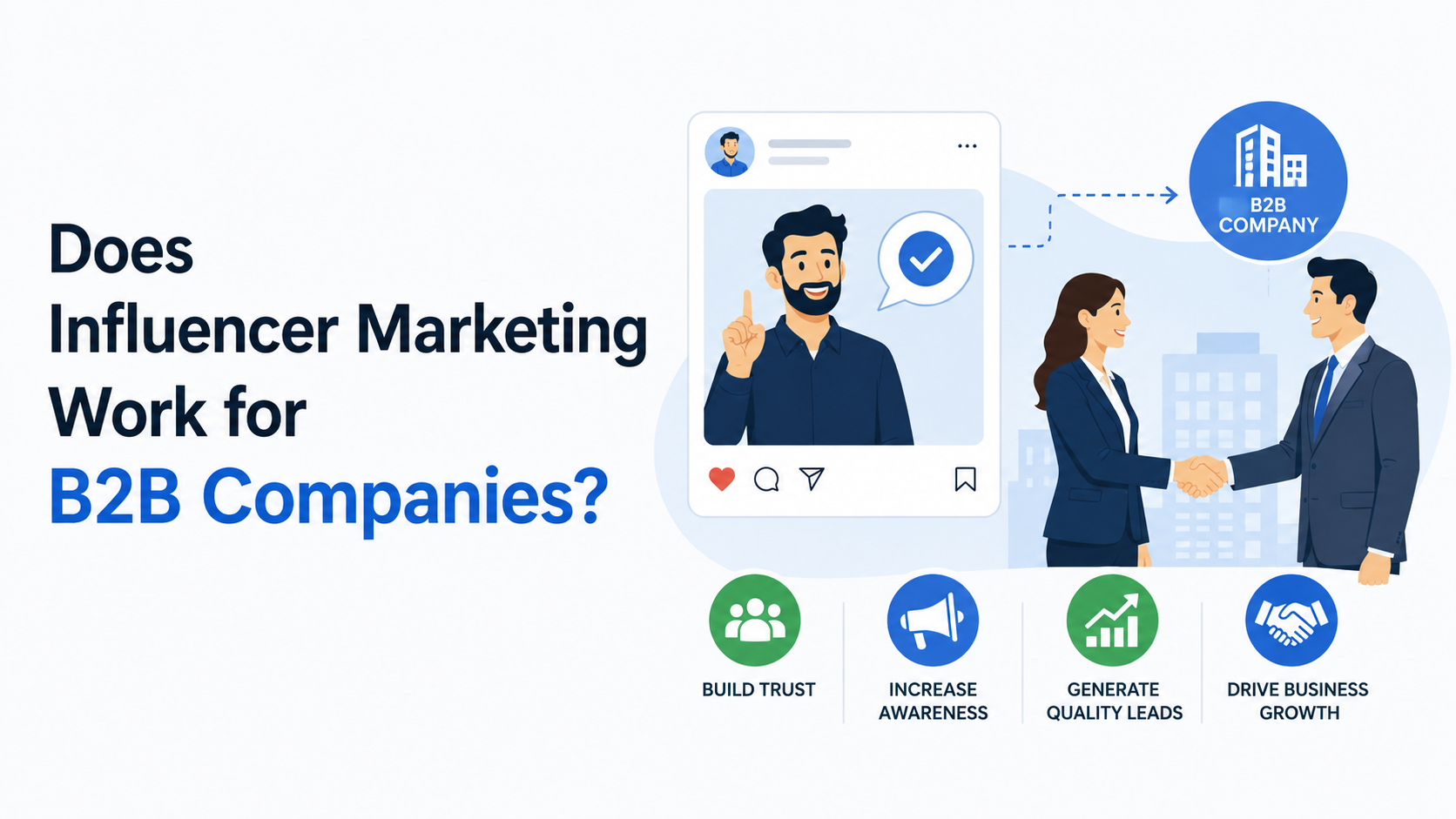
Influencer marketing is no longer limited to consumer brands. LinkedIn has become an increasingly valuable platform for B2B companies looking to build authority and trust.
Industry experts, founders, consultants, and professionals are becoming influential voices within their fields. Their content helps businesses reach decision-makers through thought leadership and expert recommendations.
LinkedIn influencer marketing is especially effective for:
- SaaS companies
- Technology brands
- Consulting firms
- Professional services
- Business solutions
B2B buyers often trust industry experts more than traditional advertisements, making creator partnerships valuable for building credibility.
Podcasts: Building Trust Through Conversations
Podcasts provide a unique influencer marketing opportunity because they create deeper connections through long-form conversations.
Listeners often develop strong relationships with podcast hosts because they spend extended periods consuming their content. This creates a high level of trust that can influence brand perception.
Podcast partnerships work particularly well for businesses that want to explain complex ideas, share expertise, or build thought leadership.
Gaming and Streaming Communities
Gaming communities have become significant spaces for influencer marketing, especially among younger audiences. Streamers and gaming creators often develop highly loyal communities that actively engage with their recommendations.
Brands in industries such as technology, entertainment, food, lifestyle, and consumer products can benefit from partnerships with gaming influencers.
The key is finding creators whose audience naturally aligns with the brand rather than forcing unrelated promotions.
Choosing the Right Influencer Marketing Platform
The best platform depends on the brand's objectives, audience, and product category.
| Platform | Best For | Content Format |
|---|---|---|
| Lifestyle, fashion, beauty, food, consumer brands | Photos, Reels, Stories | |
| YouTube | Reviews, tutorials, education, technology | Long-form videos |
| Short-form video platforms | Awareness and product discovery | Short videos |
| B2B brands and professional audiences | Articles, posts, expert content | |
| Podcasts | Thought leadership and storytelling | Audio conversations |
| Gaming platforms | Youth-focused brands and communities | Live streams and videos |
A strategic platform choice helps brands maximize campaign effectiveness.
Why Platform Fit Matters More Than Follower Count
A creator with millions of followers is not always the best choice for every campaign. The most effective partnerships happen when the influencer's audience matches the brand's target customers.
A technology brand may achieve better results through a niche YouTube reviewer than a general lifestyle influencer. Similarly, a B2B company may find more value in a LinkedIn industry expert than a creator with a large entertainment audience.
Successful influencer marketing depends on relevance, trust, and audience alignment.
The Future of Multi-Platform Influencer Marketing
The future of influencer marketing will be built around integrated campaigns where creators produce content across multiple channels. A single influencer partnership may include Instagram content, YouTube videos, LinkedIn posts, live sessions, and user-generated content.
Brands will increasingly focus on creating complete customer journeys rather than isolated promotional posts.
As platforms continue to evolve, businesses that understand audience behavior and choose the right creator partnerships will have a stronger advantage.
How Fame Keeda Helps Brands Build Multi-Platform Influencer Campaigns
At Fame Keeda, we help brands identify the right creators and platforms to achieve their marketing goals. Our influencer marketing strategies focus on audience research, creator selection, campaign planning, content execution, and performance analysis.
Whether a brand wants to build awareness, launch a product, generate engagement, or drive conversions, we create platform-specific influencer campaigns designed to connect with the right audience.
Conclusion
Influencer marketing is no longer limited to Instagram. While Instagram remains an important platform, brands now have opportunities to connect with audiences through YouTube, short-form video platforms, LinkedIn, podcasts, gaming communities, and other creator-driven channels.
The most successful influencer strategies will not focus on being present everywhere. They will focus on being present where the target audience trusts and engages with creators the most.
By choosing the right platforms, creators, and content formats, brands can build stronger relationships with consumers and achieve better results from influencer marketing.